Program on Data Science For Public Policy (DSPPP)

  • Source/Credit: Joyce Marie Lagac
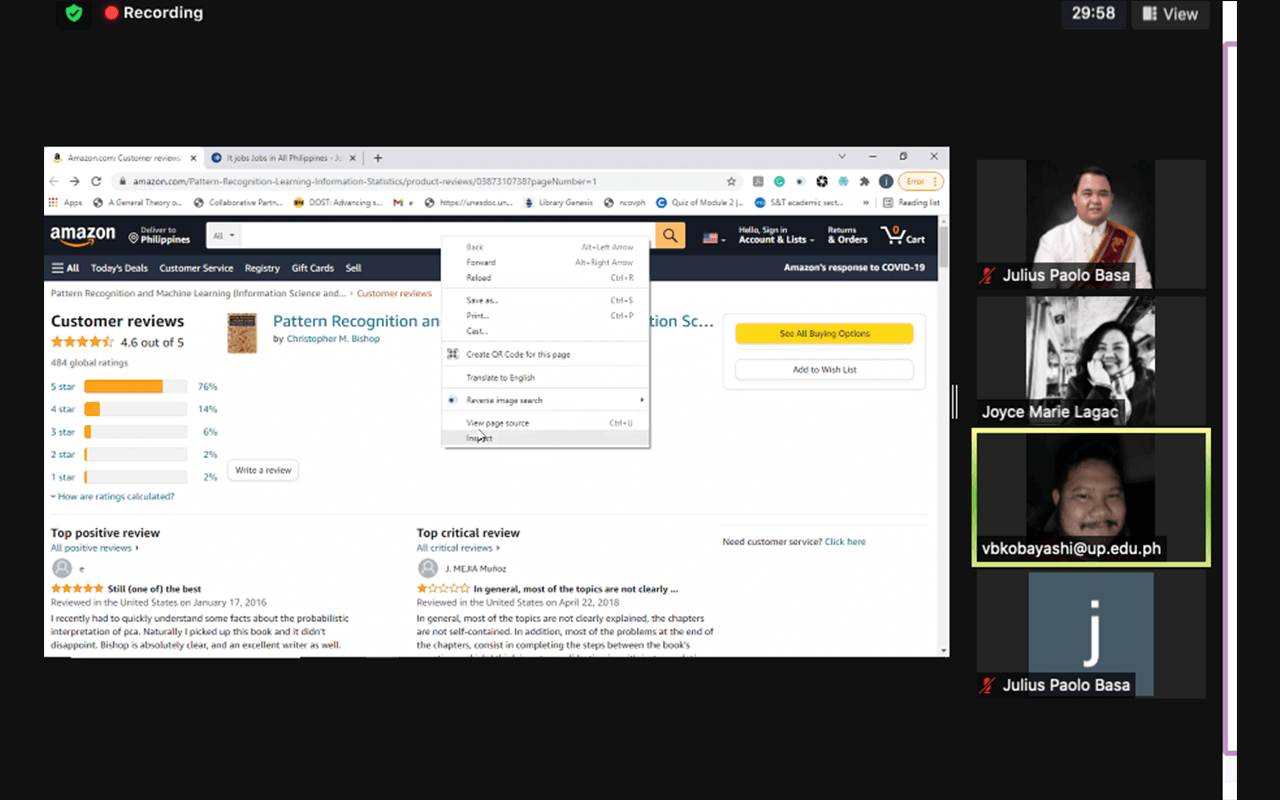
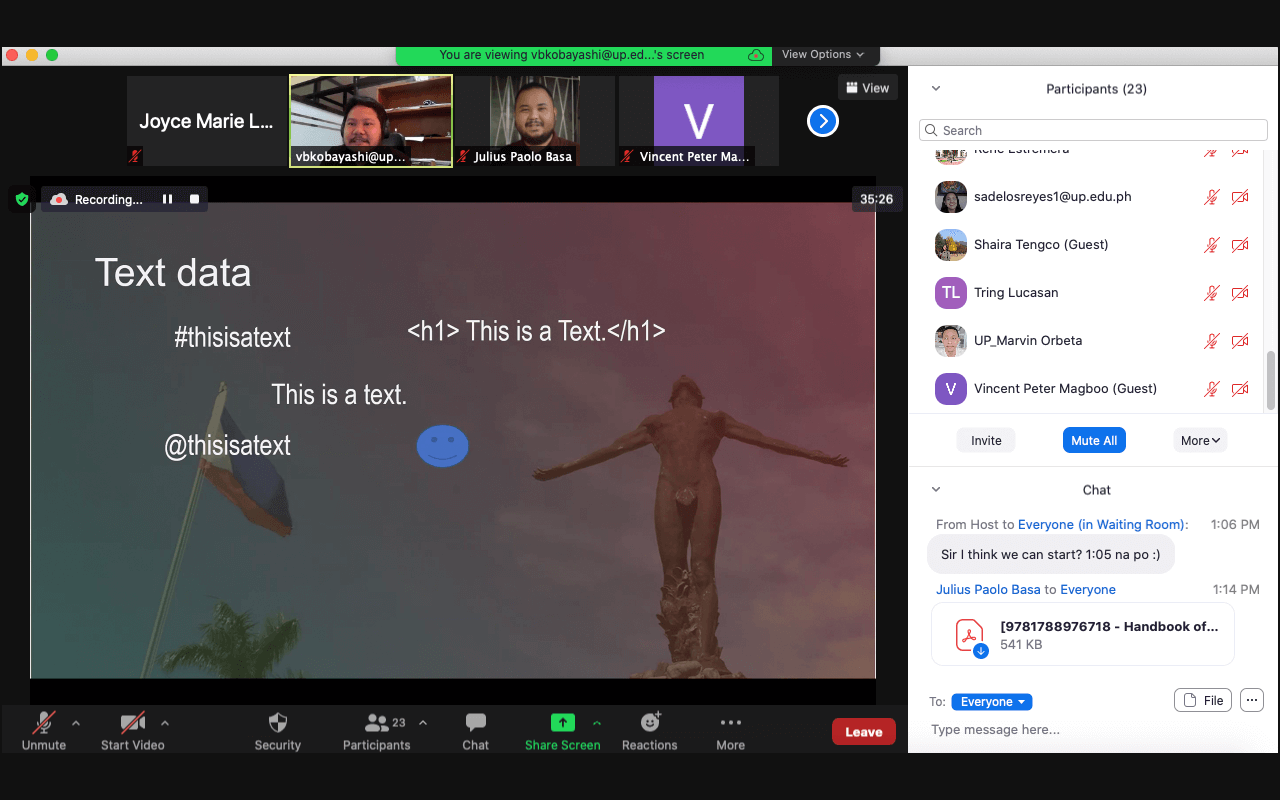
    Senior Project Assistant Julius Paolo Basa and Junior Research Analyst Joyce Marie Lagac attends Day 1 of the Data Scrapping Training of DSPP Research Fellow Dr. Vladimer Kobayashi for their research activity on Analysis of Education-to-Labor-Market and Job-to-Job Transitions.
  • Source/Credit: Joyce Marie Lagac
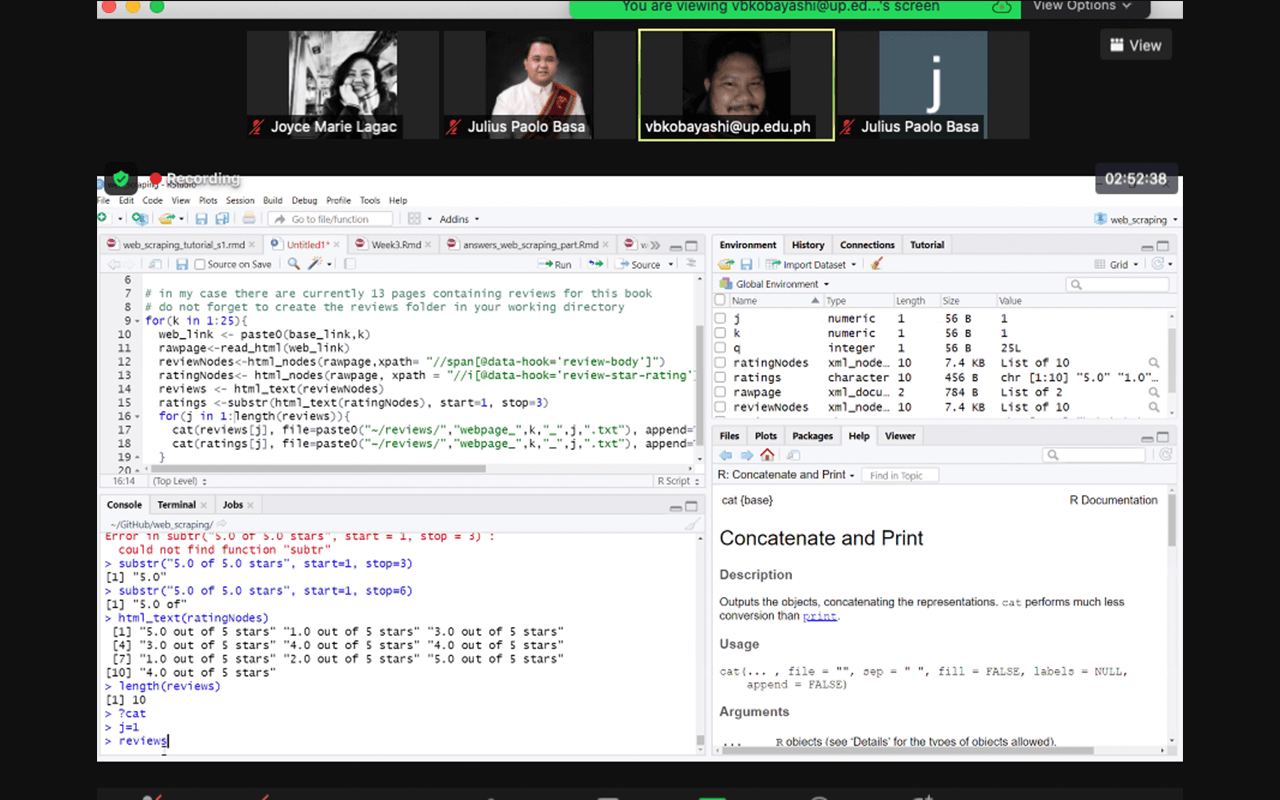
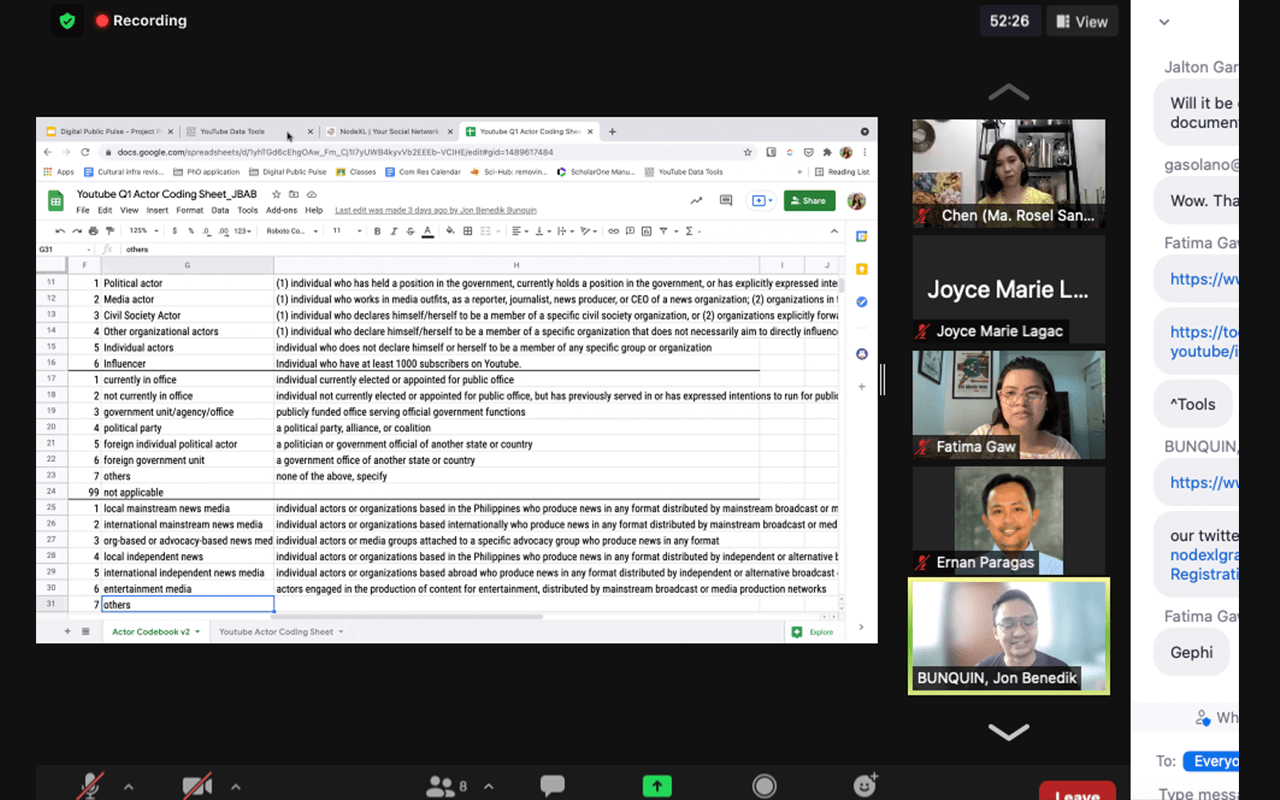
    Day 2 of the Data Scrapping Training of DSPP Research Fellow Dr. Vladimer Kobayashi for their research activity on Analysis of Education-to-Labor-Market and Job-to-Job Transitions
  • Source/Credit: Joyce Marie Lagac
    DSPP Research Fellow Dr. Vladimer Kobayashi teaches participants text analysis using the program R
  • Source/Credit: Joyce Marie Lagac
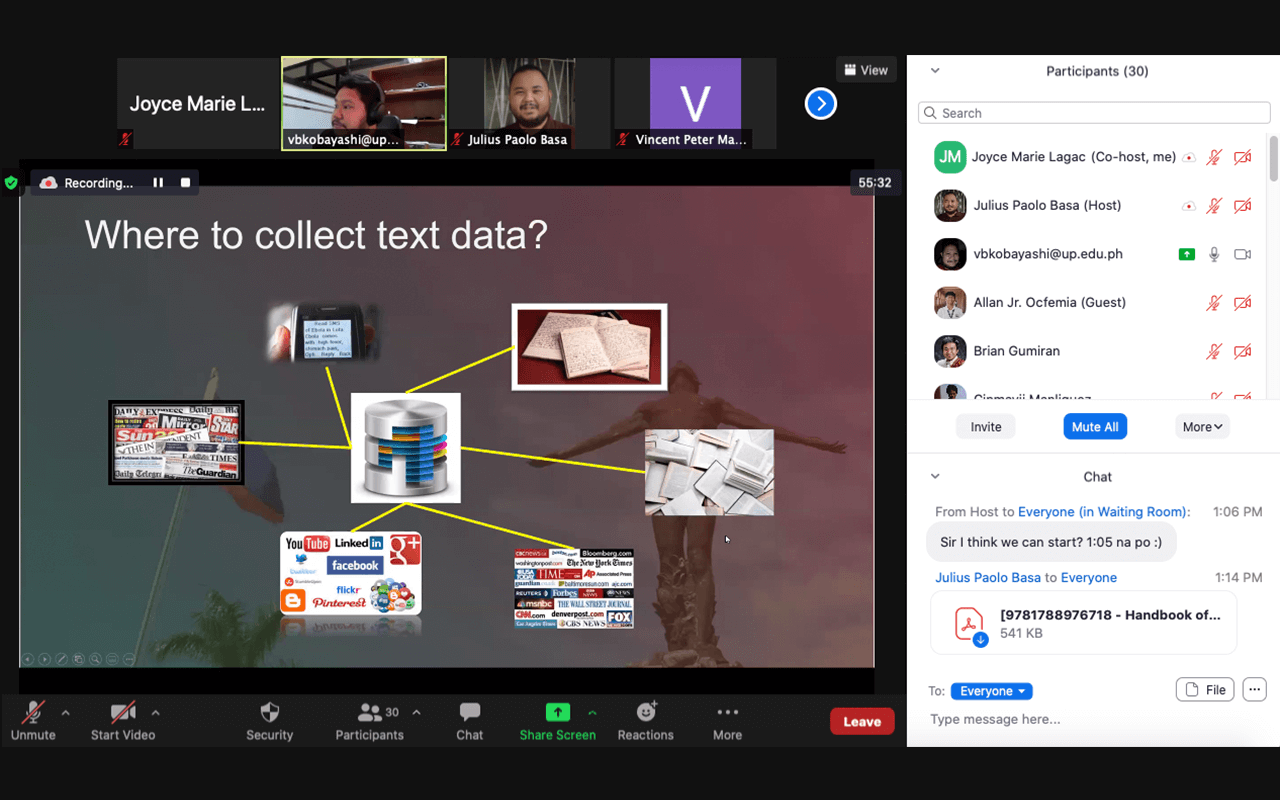
    DSPP Research Fellow Dr. Vladimer Kobayashi teaches participants text analysis using the program R
  • Source/Credit: Joyce Marie Lagac
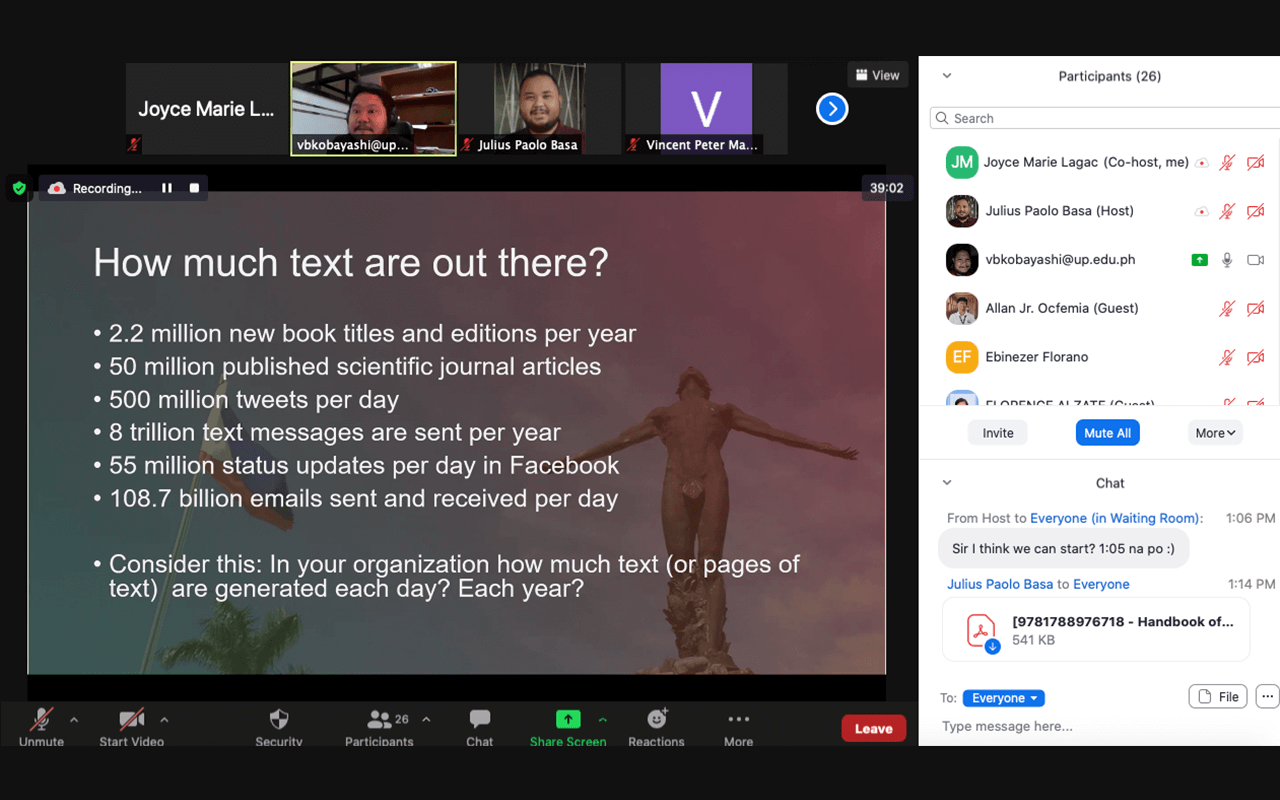
    DSPP Research Fellow Dr. Vladimer Kobayashi teaches participants text analysis using the program R.
  • Source/Credit: Joyce Marie Lagac
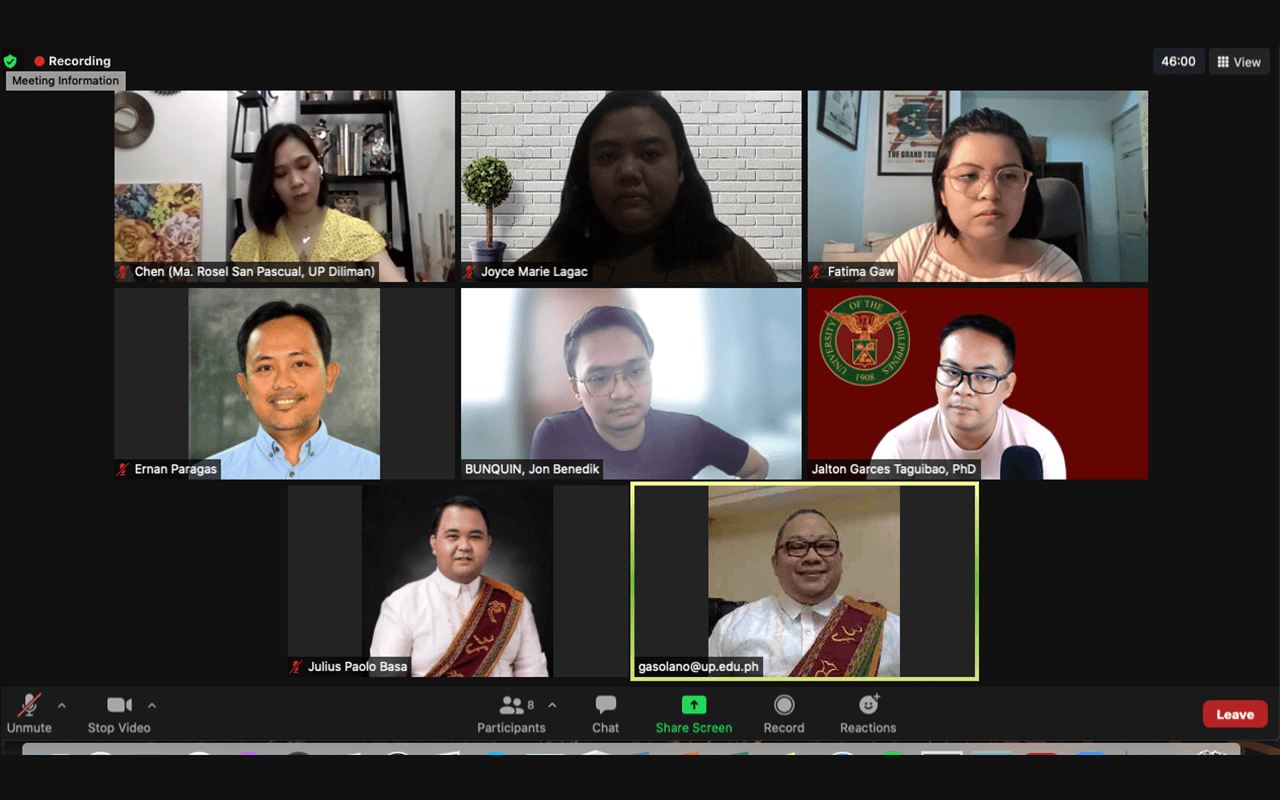
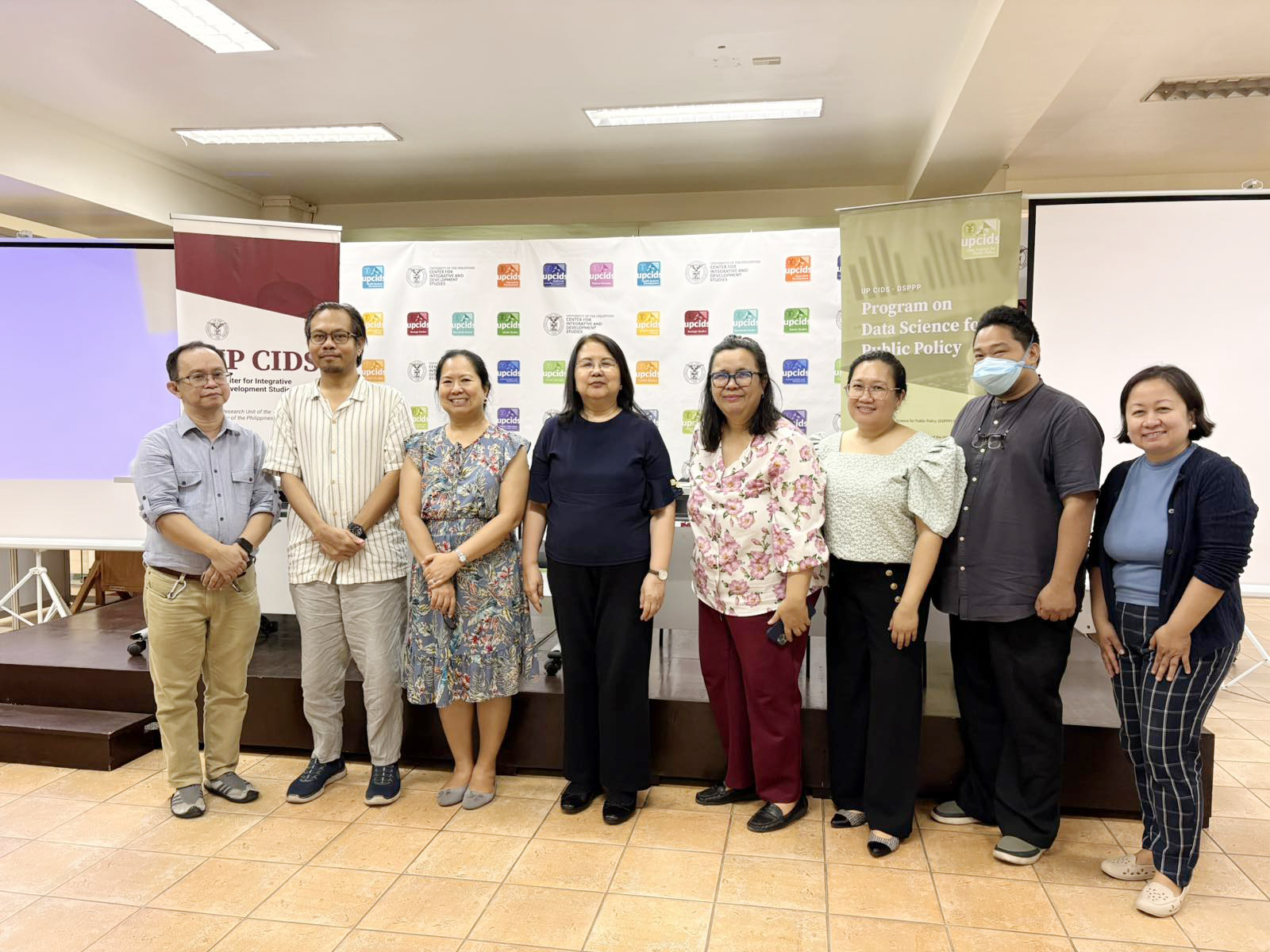
    DSPP Convenor Dr. Jalton Taguibao presides over the consultation meeting with UP Diliman’s CMC and Dr. George Solano of UP Manila.
  • Source/Credit: Joyce Marie Lagac
    The group met to discuss the Digital Public Pulse project, a media-monitoring project that traces, maps, and analyzes public discourses in the Philippine digital public sphere.

    Rationale

    Data science can help understand some of the country’s most vexing problems in the public sector, especially when information is available. Nearly all aspects of governance operate using complex systems made up of networks of interrelated, interdependent, and multicontextual factors. The most innovative tools of data science and analytics have opened up new possibilities for empirical examination of social problems best studied within the complex systems framework.

    As such, the Program on Data Science for Public Policy was established as a a series of research projects and interconstituent unit (CU) research engagement activities for various agendas of national public policy. It generally seeks to build capacity and craft research agenda toward applied data science analytics through complex systems frameworks.


    Objectives

    DSPP has three objectives. First, it aims to build the capacity of UP faculty in data science and apply this learned skill to public policy and governance. Second, it seeks to engage a community of researchers within the university and encourage the pursuit of interdisciplinary problem-oriented research using high-level quantitative analyses. Finally, it strives to convene multidisciplinary teams of social scientists, humanists, and scientists to research issues in the public sector.

    Publications


    Current Projects 2026


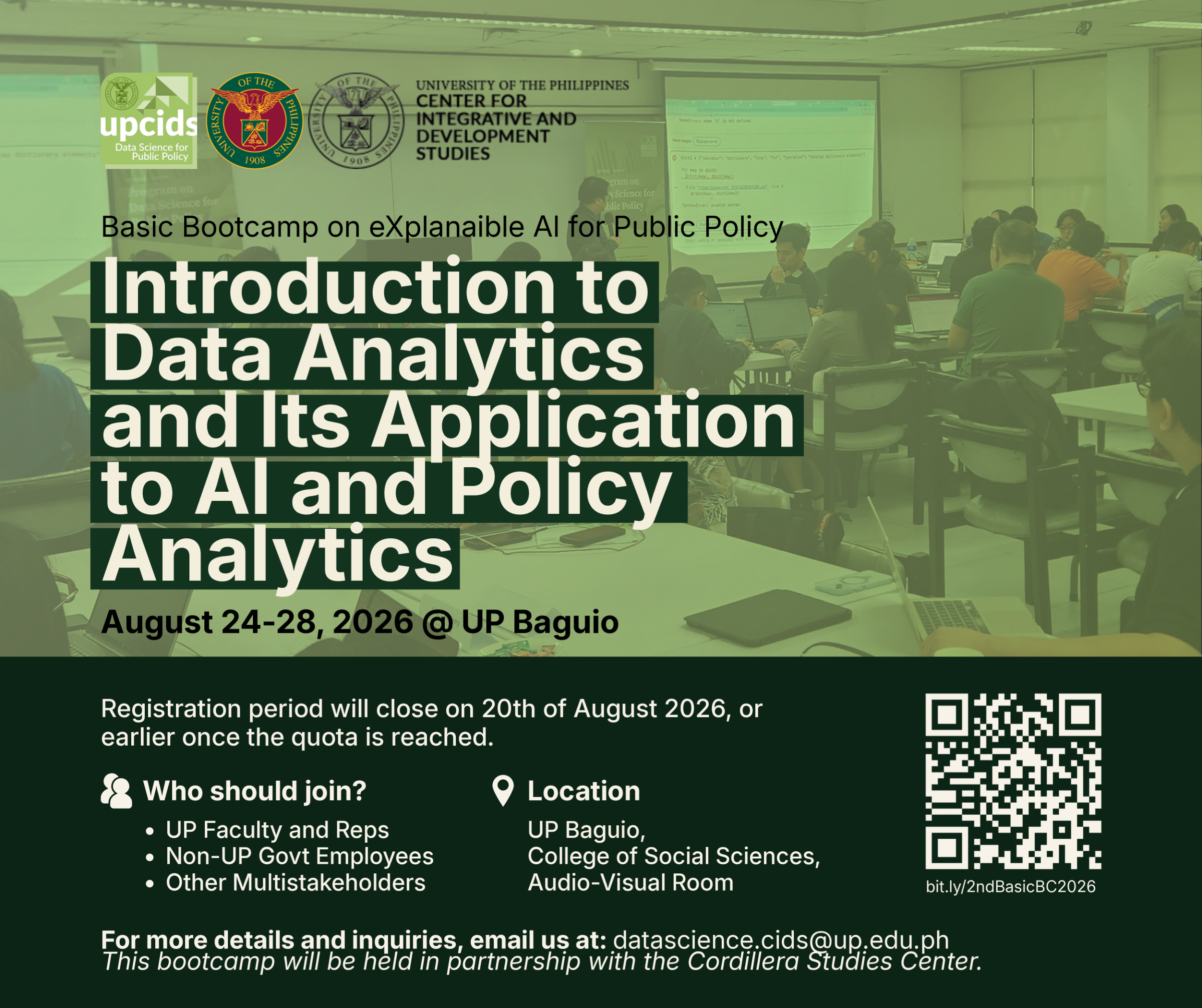
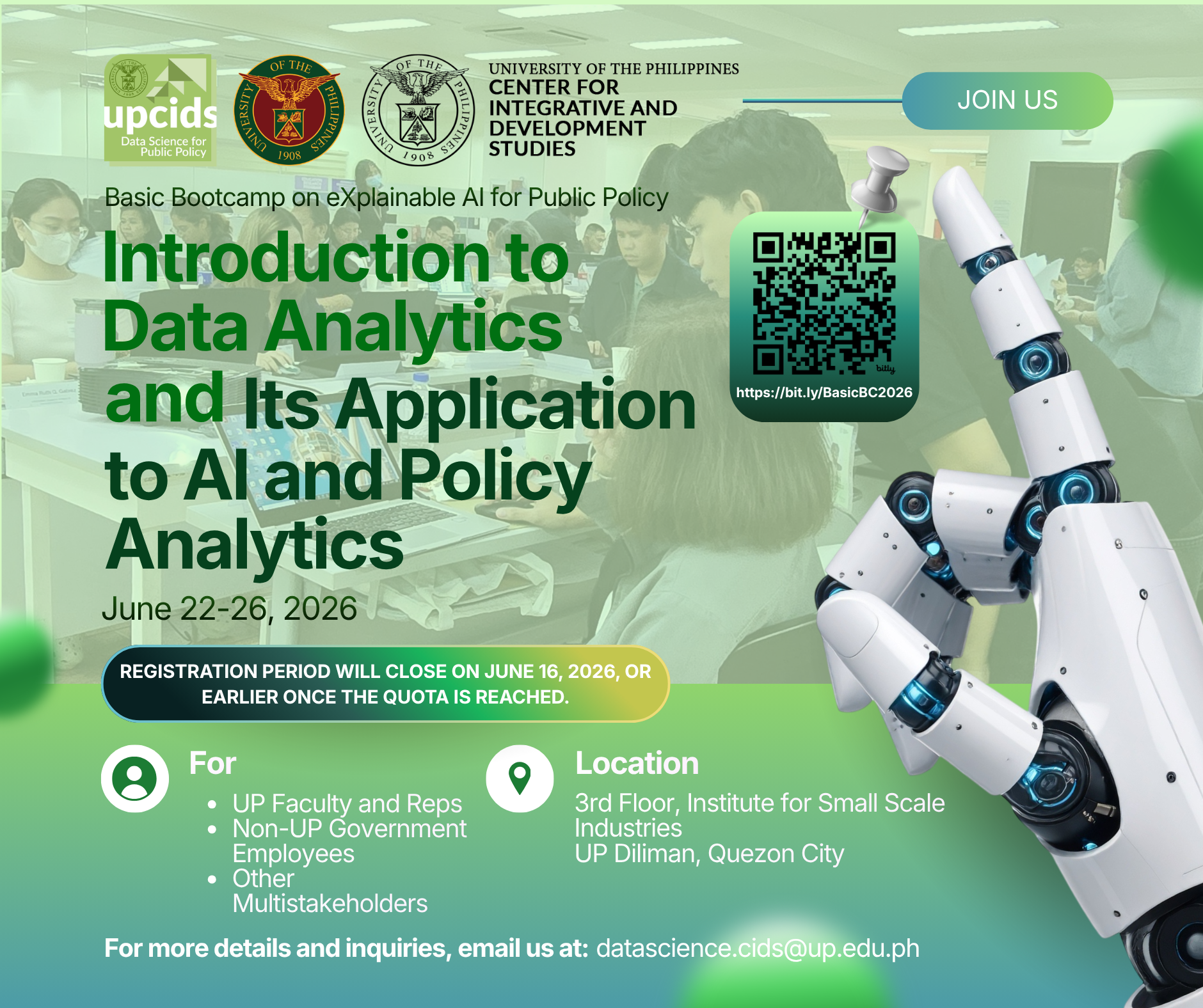
    Bootcamp on Data Science for Public Policy (DS4PP)

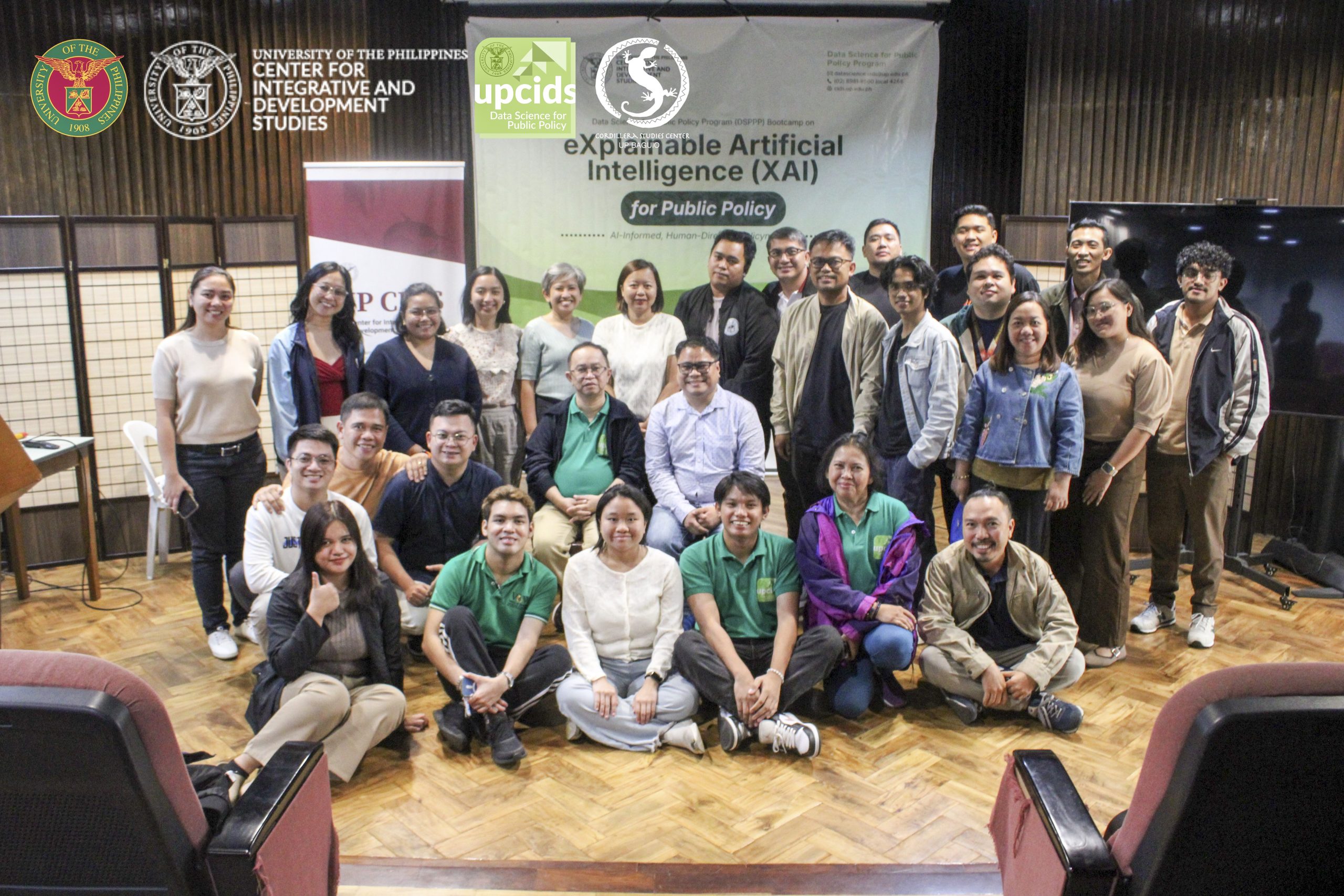
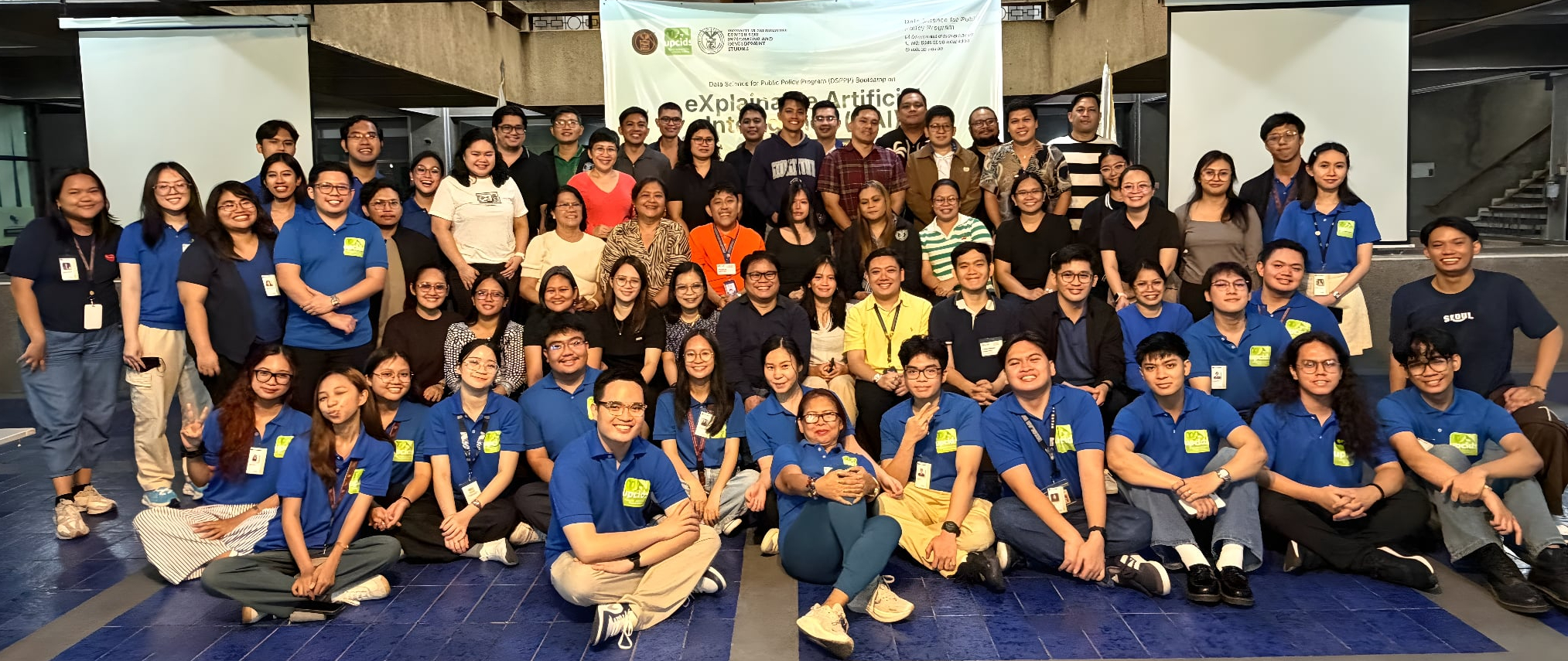
    In 2026, the DSPPP will re-echo its 3-tiered 5-day Bootcamp on XAI4PP in UP Diliman targeting the general public as multi-stakeholder participants.  If there is demand, basic-level bootcamps will also be conducted in Luzon, Visayas and Mindanao. DSPPP will tap its DS4PP Technical Advisory experts to broaden our reach and cater to the capacity building needs of other partner government agencies, NGOs, business, and civil society organizations. 

    This project aims to build the data science knowledge and capacities of academics, researchers, policymakers, and  decision-makers from various public sector agencies and organizations. Bootcamp participants are expected to apply data science learned skills they have learned to public policy and governance. DSPPP will offer capacity-building courses for 5 days in each tier: Basic, Advanced and Intermediate. 

    AI Policy Hub Research Fellowships: AI and Data Science Solutions to National Issues and Concerns, and Policies for AI Regulation

    Implemented under the Data Science for Public Policy Program (DSPPP), the Hub serves as a collaborative platform for evidence-based and ethically grounded policy innovation. In 2026, its thematic foci will include AI and anti-corruption measures, as well as AI governance and regulation, emphasizing the need for explainable, accountable, and human-centered AI systems that promote transparency, integrity, and public trust in government institutions.

    The AI Policy Hub aims to recruit research fellows to develop discussion papers and policy briefs on how to leverage artificial intelligence (AI) to address national issues and concerns, and determine which policies should be enacted to regulate its use across all sectors of Philippine society.

    Roundtable Discussion (RTD) on AI and Data Science Solutions to National Issues and Concerns, and Policies for AI Regulation

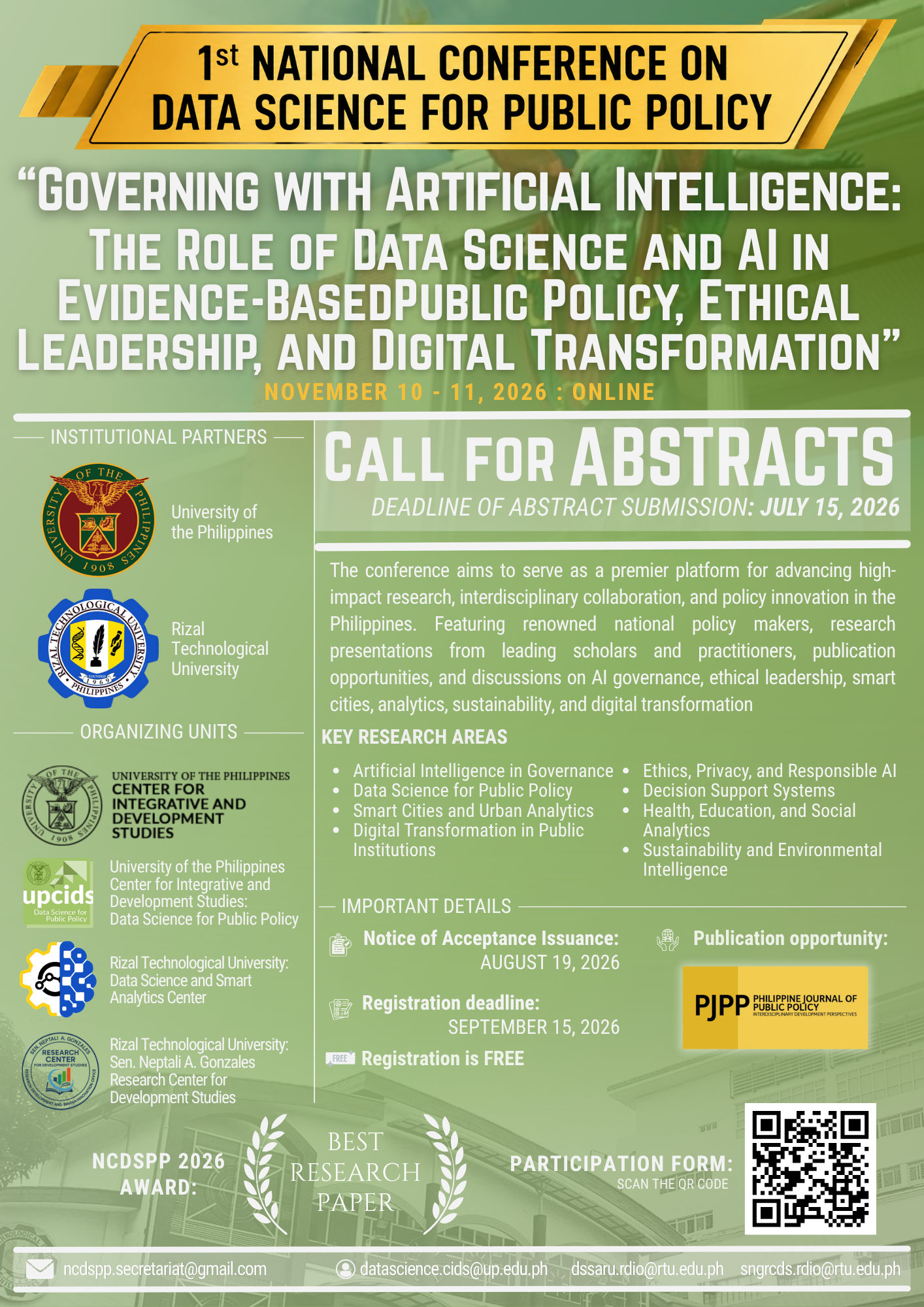
    The RTD on AI and Data Science Solutions to National Issues and Concerns, and Policies for AI Regulation will serve as the venue for the research fellows to present their research outputs among a convergence of data science experts discussing the future of AI and how the public sector can utilize and/or manage it.

    This project aims to explore and discuss emerging or current issues, problems, and trends in the field of data science for public policy. The Program will conduct hybrid roundtable discussions on Data Science for Public Policy: AI-Assisted Monitoring and Evaluation for Policymaking.

    Data Science in the Bill Drafting Process: Evaluating Utilization, Stakeholder Perceptions, and Legislative Efficiency

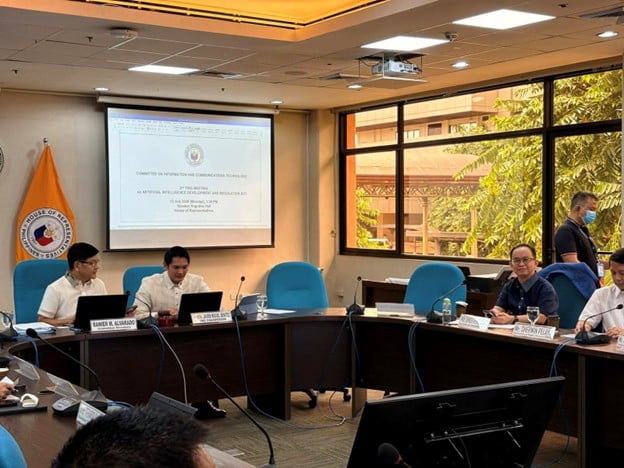
    While data science has improved policy analysis and evaluation, its application in legislative bill drafting, especially in the Philippine Congress, remains underexplored. The extent of data use, the barriers to its adoption and its effects on legislative outcomes remain largely unknown in the Philippines. This research addresses these gaps by examining the current use of data science in the Philippine legislative drafting, identifying opportunities, challenges and ethical concerns. 

    Findings from this project aim to guide policymakers and legislative staff in leveraging data-driven tools to improve lawmaking efficiency and responsiveness.

    Past Projects


    News


    The Team

    as of January 2026


    Ebinezer Florano, Ph.D.

    Convenor

    Professor
    National College of Public Administration and Governance
    University of the Philippines Diliman

    Lilian Marfil

    Junior Project Officer
    Data Science for Public Policy