Strengthening the Core: Highlights from the Interagency Summit on Philippine Sectoral Planning
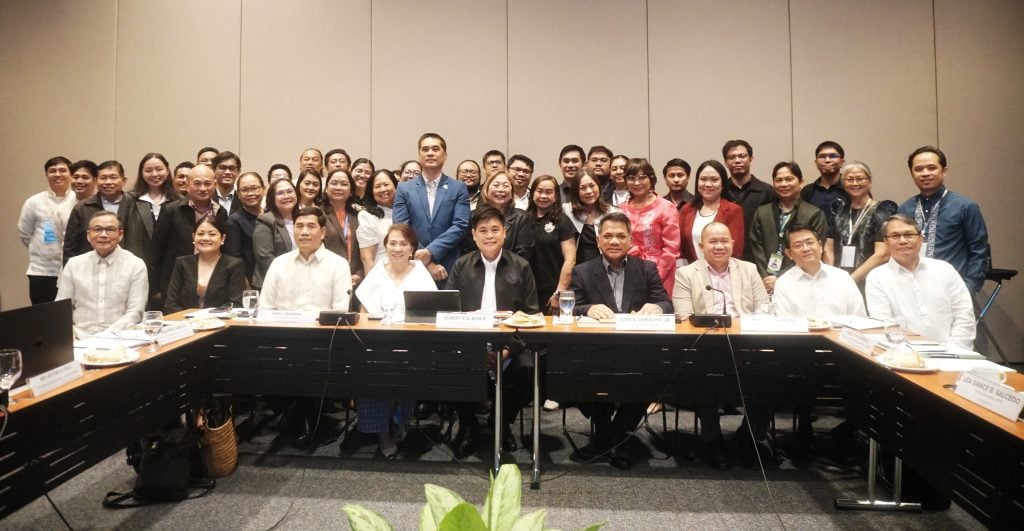
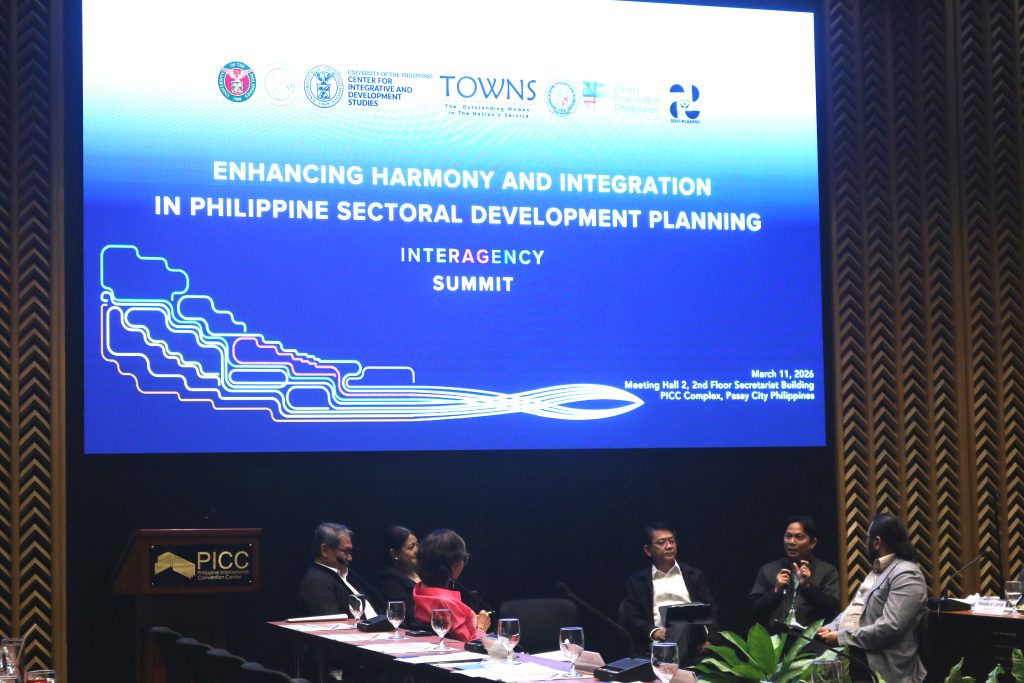
On March 11, 2025, leaders from across the Philippine government and academia gathered at the PICC Secretariat Building for the Interagency Summit on Enhancing Harmony and Integration in Philippine Sectoral Development Planning. The event served as a critical platform to address fragmented planning and establish a unified “Action Agenda” for the nation’s future.
A Call for Unified Governance
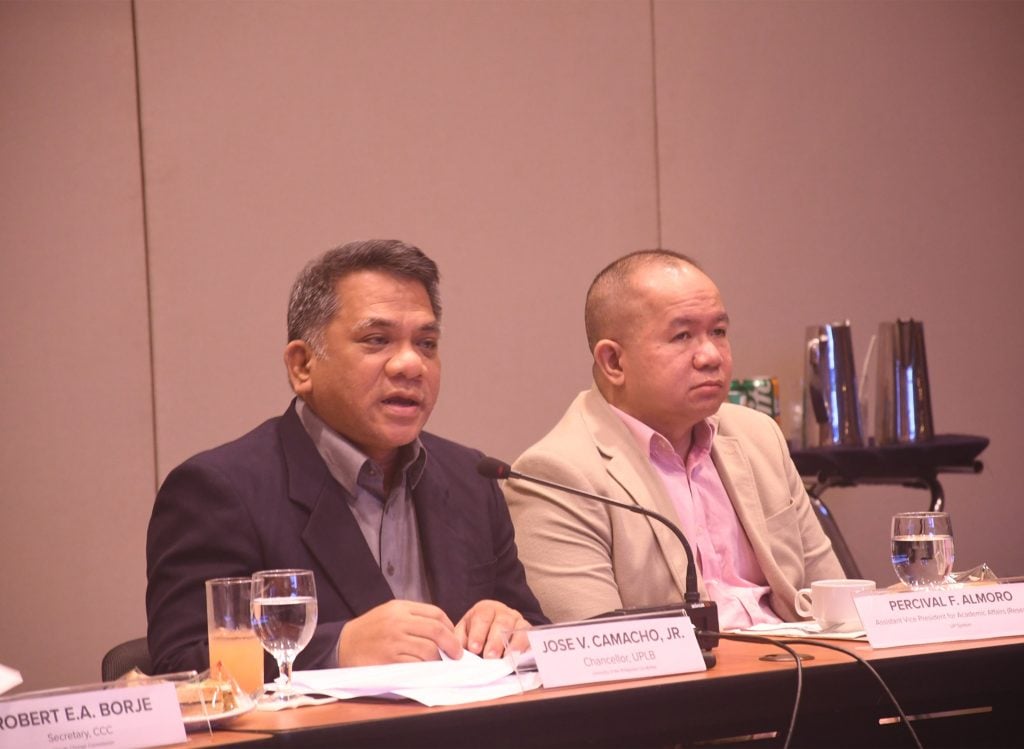
The summit opened with high-level messages from Atty Angelo A. Jimenez (President, University of the Philippines), Dr. Jose V. Camacho Jr. (UPLB Chancellor), and Dr. Renato U. Solidum Jr. (DOST Secretary) represented by Usec. Leah Buendia. Also present was Prof. Percival V. Almoro, Assistant Vice President for Academic Affairs (Research) representing the UP Office of the Vice President for Research and Innovation. Their collective presence underscored the collaboration between government, academia, and the scientific community to solve complex development challenges.
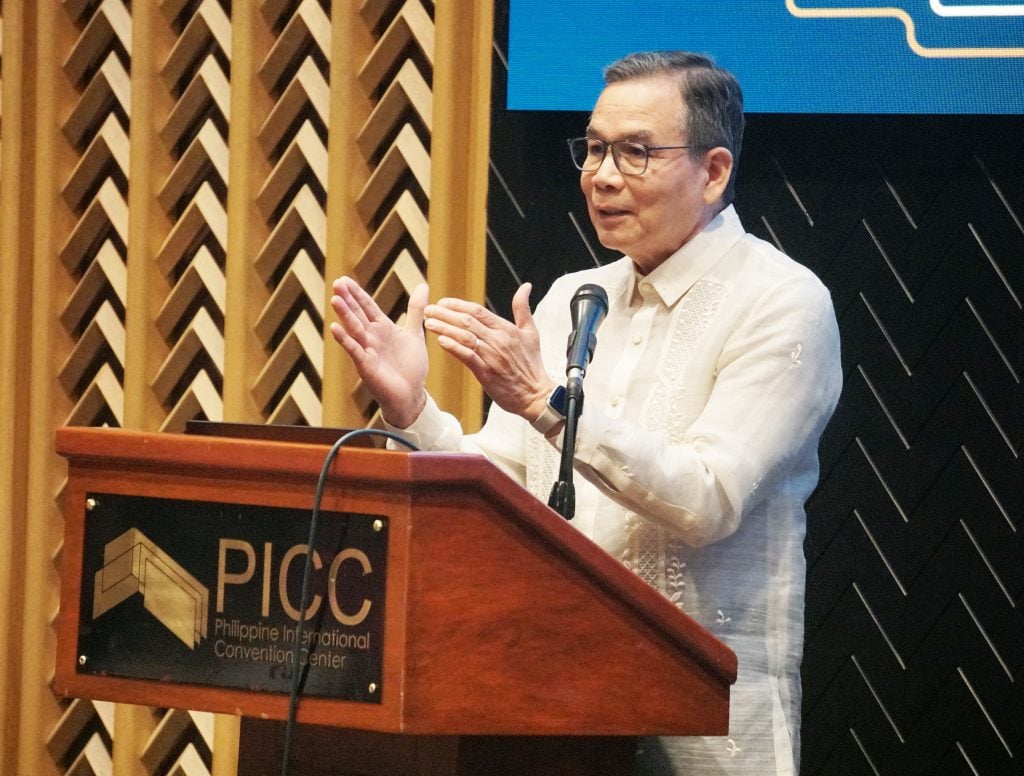
A central highlight of the morning was the presentation by Dr. Rex Victor O. Cruz, UPLB Professor Emeritus, who detailed the Draft Action Agenda on the Promotion of Harmonization and Integration of Sectoral Policies and Plans. This roadmap proposes a vision of a Philippines where national and local plans are fully integrated to ensure sustainable, resilient, and inclusive growth.
Highlighting the Proposed Reforms
The heart of the program featured “Expressions of Position” from a diverse group of National Government Agencies (NGAs) and their representatives:
-
- Department of Economy, Planning and Development (DEPDev) – Assistant Secretary Reynaldo B. Cancio,
- Climate Change Commission – Vice Chairperson and Executive Director Robert E.A. Borje,
- Anti-Red Tape Authority (ARTA) – Undersecretary Lea Grace B. Salcedo,
- Department of Human Settlements and Urban Development (DHSUD) – Undersecretary Henry L. Yap,
- Department of Environment and Natural Resources (DENR) – Planning and Program Division Chief Marlon M. Atienza,
- Department of Budget and Management (DBM) – Prof. Cristino Tiburan,
- Department of Agriculture (DA) – Assistant Secretary Noel A. Padre,
- Department of Tourism (DOT),
- Department of Health (DOH) – Dr. Mar Wynn D. Bello, MPA, CESO IV,
- Department of Trade and Industry (DTI) – Prof. Dixon T. Gevaña,
- National Commission on Indigenous Peoples (NCIP) – Director Harriet N. Abyadang, Planning Officer V Rolan B. Aldovino,
- National Mapping and Resource Information Authority (NAMRIA) – OIC Director Concepcion A. Bringas,
- Philippine Statistics Authority (PSA) – Assistant National Statistician Mark Pascasio, Chief Statistical Specialist Virginia A. Bathan,
- Philippine Space Agency (PhilSA) – Director Reinabelle C. Reyes,
- National Power Corporation (NAPOCOR) – OIC Vice President Emmanuel Umali,
- League of Provinces of the Philippines (LPP) – Executive Director Atty. Jomar Olegario,
- Department of Public Works and Highways (DPWH) – Geraldine Mago,
- Department of Agrarian Reform (DAR) – Chief Administrative Officer Nelia Soriano,
- Conservation International (CIPh)


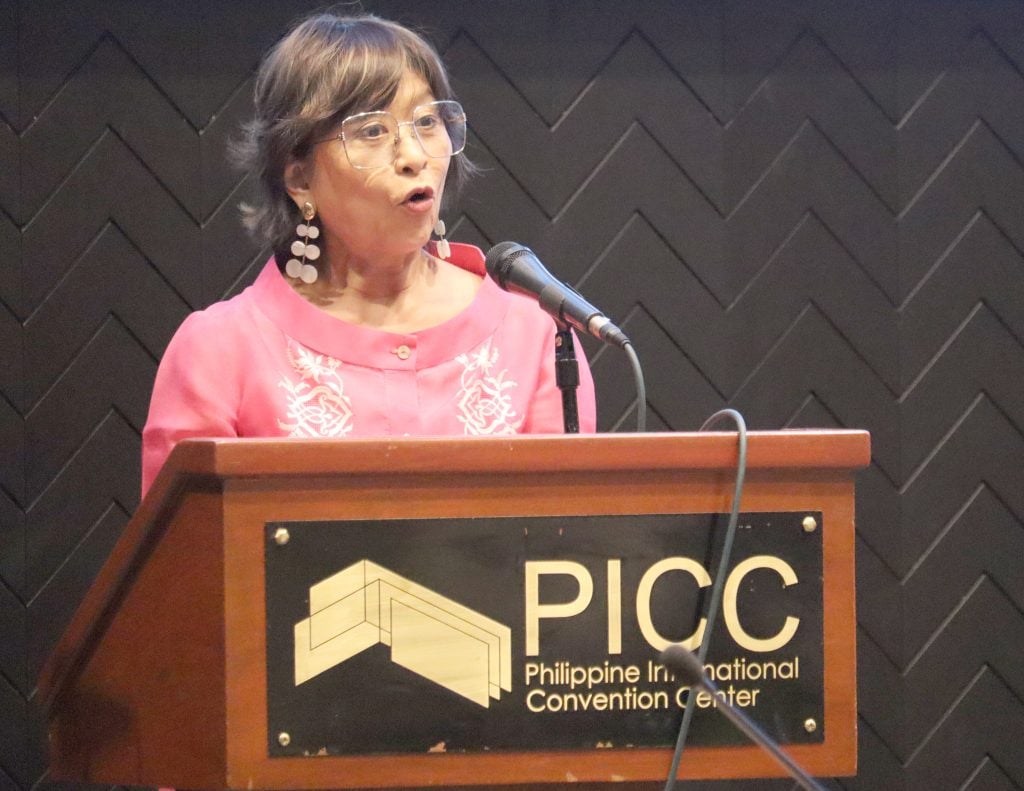
Moderated by Cecilia “Ces” Oreña-Drilon, these sessions focused on the following key reform pillars:
-
- National Strategy Harmonization: The Philippine Development Plan (PDP) will serve as the principal strategic document guiding all development plans for NGAs and LGUs. It is positioned as the overarching narrative to ensure sectoral plans—such as agriculture, energy, and health—are strategically coherent and spatially consistent.
- Legislative and Land Use Reform: A priority is the fast-tracked enactment of the National Land Use Act (NLUA) and the Sustainable Forest Land Management Act (SFLMA). These laws will provide the legal framework to rationalize land allocation and resolve competing land uses.
- Local Governance Mandates: The agenda proposes amending the Local Government Code of 1991 to mandate the Ridge-to-Reef (R2R) and river basin frameworks in local planning. This ensures that Comprehensive Land Use Plans (CLUPs) and zoning ordinances are vertically and horizontally integrated.
- Institutional Accountability: New mechanisms will hold NGAs and LGUs jointly responsible for preparing harmonized R2R-based plans. Approval and release of development funds, such as the Seal of Good Local Governance, will be linked to the implementation of these robust plans.
- Technological Integration: To solve data silos, the agenda mandates the establishment of a Centralized, Real-Time Geospatial and SDG Monitoring System. This platform will provide easy access to datasets on natural resources, climate risks, and socio-demographics linked to Sustainable Development Goal (SDG) indicators.
- Watershed Zoning Framework: Protocols will be developed to zone all watersheds into protection and production zones. This framework will serve as the common reference for all provincial and local development plans.
- Human Capital Development: To sustain these reforms, the agenda seeks to integrate courses on collaborative governance into undergraduate academic curricula for fields like public administration and environmental management.
Mapping the Way Forward
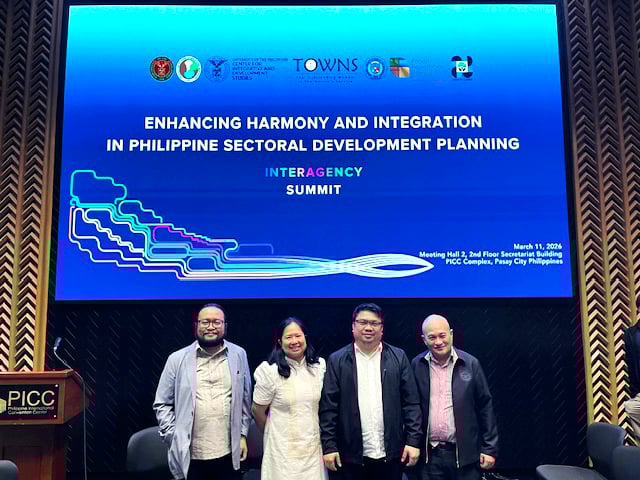
Experts from the UP Center for Integrative and Development Studies (UP CIDS), including Dr. Julius Rhoan T. Lustro, Dr. Rosalie Arcala Hall, and Dr. Enrico L. Replan provided technical perspectives throughout the day.
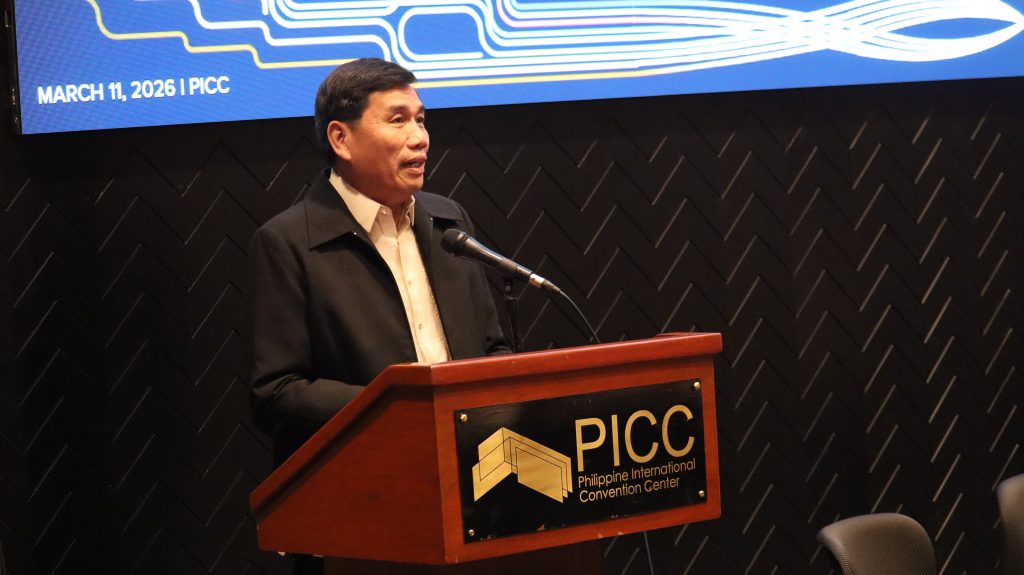
As the summit concluded, Dr. Benjamin M. Vallejo Jr. of UP CIDS provided a synthesis and discussed the ways forward, emphasizing that the proposed synchronization aims for full implementation by 2031. The closing remarks by Prof. Marlo D. Mendoza and Dr. Melvin B. Carlos reiterated the commitment to institutionalizing these integrated frameworks into the fabric of Philippine governance.
Event Hosts and Organizers
The summit was hosted by the University of the Philippines Los Baños (UPLB) College of Forestry and Natural Resources, through the Institute of Renewable Natural Resources (IRNR), the Forest Development Center (FDC), and the UPLB Interdisciplinary Studies Center for Integrated Natural Resources and Environment Management (UPLB-INREM), alongside the University of the Philippines Center for Integrative and Development Studies (UP CIDS).
This milestone event was organized in cooperation with several key institutional partners:
- Department of Science and Technology – Philippine Council for Agriculture, Aquatic, and Natural Resources Research and Development (DOST-PCAARRD)
- National Academy of Science and Technology (NAST)
- Forest Foundation Philippines (FFP)
- The Outstanding Women in the Nation’s Service Foundation, Inc. (TOWNS)