Rationale and Objectives
The Critical Futures Program (CFP) will examine urgent issues facing the nation in a technologically-driven but environmentally challenged world.
It will seek to enhance the competence of Filipinos, as individual and collective actors, to use digital technology to achieve inclusive and sustainable development.
The CFP will undertake research on vital national and global concerns; foster dialogue among stakeholders; develop policy recommendations and project designs.; build capacities that will hasten the pace of inclusive and sustainable national development.
Initially, CFP will focus on three key areas:
-
- Strategic Foresight for the Development and Governance – To use participatory scenario building, causal layered analysis, backcasting and other strategic foresight tools and techniques in desiging and delivering development projects and public policies.
-
- Digital Horizons – To consider digital futures for the country and recommend strategies, policies, stardards and frameworks to achieve the preferred digital futures.
-
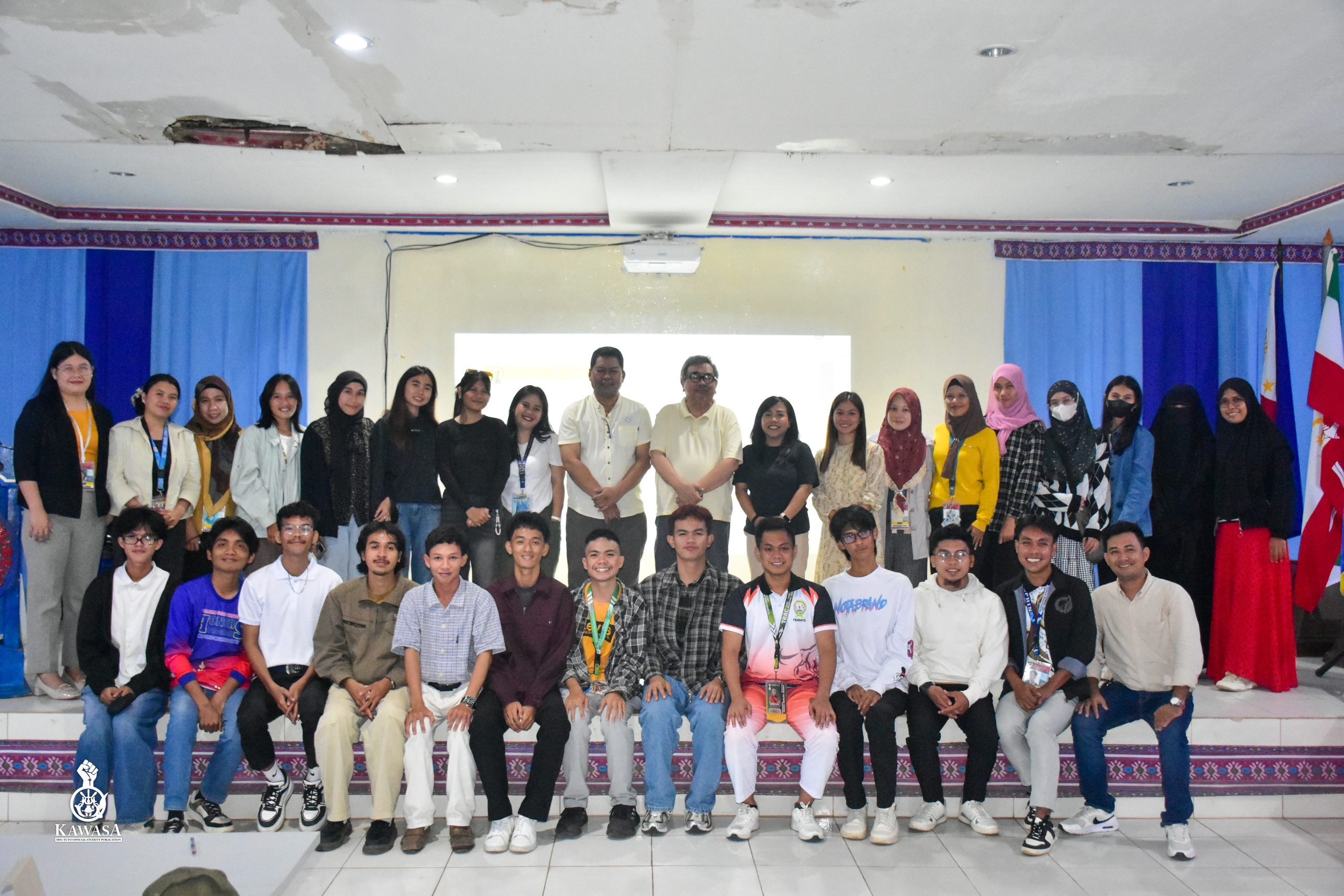
- Future Leaders – To develop the next generation of leaders who are competent in strategic foresight and skillful and innovative in the use of digital technologies to achieve social-political-economic change.
CFP activities within these areas will fall into three clusters:
-
- Research;
- Seminars, Workshops, Colloqia and,
- Capacity building.
Researchers, experts and students from various UP units will be tapped to participate in all UP CFP undertakings. Colloquia and Capacity Building activities will be held in multiple Constituent Universities. (CUs)
The CFP is committed to the notion of a ‘futural public sphere’ – in which there is the widest possible public engagement with the widest possible repertoire of imagined futures.
Aside from expanding scholarly knowledge, a critical futures program will also help end the politics of despair that has gripped Philippine politics. Many opine that Filipinos’ exasperation over government shortcomings ) have led them to favor strongman rule over democracy. Prof Em Randy David believes that an antidote to “charismatic leaders who can mesmerize crowds with visions and actions” is the “re-enchantment of political life,” reminding citizens of their power to create their preferred future
Focal Research Areas
Major Project 1: Strategic Foresight and Public Policy
Major Project 2: Strategic Foresight – Institutionalizing Competency Based Education in UP
Major Project 3: Strategic Foresight Seminar on Digital Humanities
Major Project 4: Digital Horizons – AI Governance for the Health Sector
Major Project 5: Future Leaders – Strategic Foresight Training for Youth Leaders in GIDAs
Current Projects
This project builds on these initiatives by designing a competency-
based training module on AI literacy and competency. Specifically, it aims to develop the following training modules:
- AI literacy for college students
- AI literacy for HEI Faculty
- AI Literacy for the Civil Service
At the end of the project, there will be one competency standard developed and three competency based training modules will be made available to DICT and all HEIs for adoption and implementation.
|
Community AI “empowers local populations to co-create, manage, and ethically apply artificial intelligence for equitable, context-specific sustainability solutions.” It is a collaborative approach to designing, developing, and deploying AI systems with and for local communities. This approach emphasizes community ownership, ethical implementation, and social impact, as opposed to traditional top-down, researcher-centric or commercially driven approaches. The Community AI subscribes to the following key principles:
Key benefits of Community AI include enabling data-driven decision-making for local development, improving services like education and healthcare, and ensuring AI is developed for social good rather than just profit. This project is an exercise in Field Building – “the systematic development of a new domain or area of activity, often involving the establishment of foundational structures, shared knowledge, and collaborative networks”. |
|
Specifically, the goal of these workshop are:
Among the topics that will be discussed in the workshops are
|
Artificial intelligence (AI) is transforming the arts. AI tools can be used in creative processes and analysis of fine art, such as painting, music, and literature. They also have potential in enhancing artistic events, installations, and performances. In third quarter of 2025, the CFP began developing a consultation document to be used to generate discussions and gather feedback from stakeholders and the general public on issues related to AI and the arts. This document, entitled Primer on AI and the Arts, is expected to discuss how AI impacts and is impacted by the humanities and the performing arts, and the AI issues that arts scholars and practitioners must be aware of/concerned with. |
|
CFP intends to continue this initiative in 2026. The activities include
|
This proposed CFP project aims to develop the Philippine government’s capacity to better adapt to evolving circumstances, make more informed decisions and anticipate future challenges and opportunities for long-term development and national well-being.
Strategic foresight will allow the government to:
- Improve Policy Making: Governments can develop more effective and future-ready policies by exploring diverse scenarios, identifying potential challenges and opportunities, and designing innovative solutions that address present and future needs.
- Enhance Adaptability and Resilience: Strategic foresight enhances government’s ability to analyze complex situations, identify potential risks and opportunities, and develop strategies that are resilient to various future scenarios.
- Promote Good Governance: It enables policymakers to adopt proactive strategies that address long-term challenges and contribute to sustainable development. It enables innovation, and strategic evaluation
Ultimately, strategic foresight empowers governments to play a more active role in shaping the future, rather than simply reacting to events as they unfold.
News
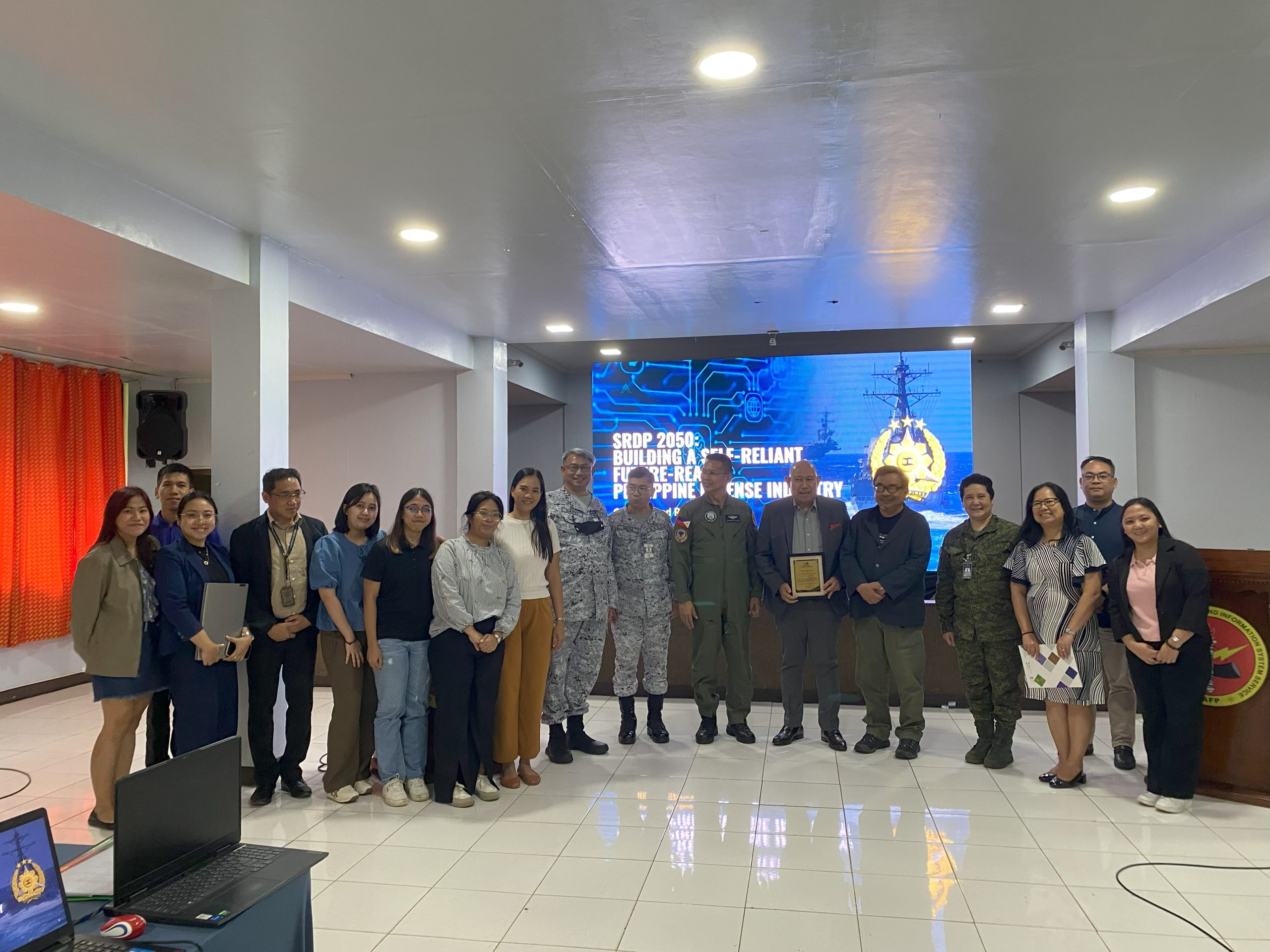
Strategic Foresight Training for the AFP Office for Strategic Studies and Strategy Management
The Team
Emmanuel C. Lallana, PhD
Convenor
Professorial Fellow
Kirsten Therese Navarro
Junior Research Associate