Coastal Futures, Urban Transformations: UP CIDS Urban Studies Program Convenes Lecture Series and Research Workshop in Davao City
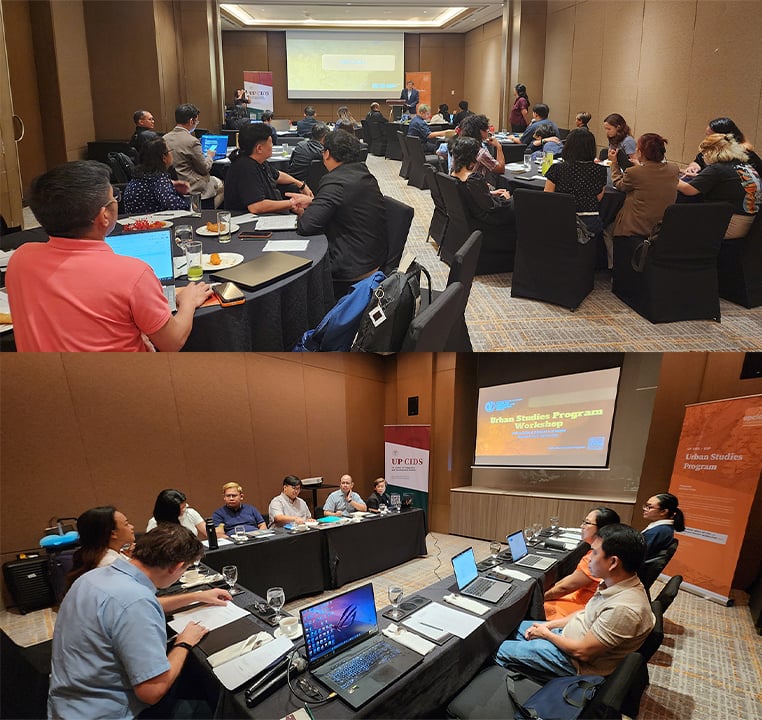
The UP Center for Integrative and Development Studies Urban Studies Program (USP) convened a three-day lecture-seminar-workshop in Davao City from 6 to 8 May 2026, hosted by the University of the Philippines Mindanao project team. The engagement brought together researchers and collaborators from University of the Philippines Cebu, University of the Philippines Visayas, and UP Mindanao to consolidate ongoing and completed research initiatives on coastal and metropolitan transformations across the Visayas and Mindanao. Discussions centered on synthesizing three years of scholarship through a forthcoming compendium publication, while also reflecting on the future trajectory of the program’s research and policy agenda.
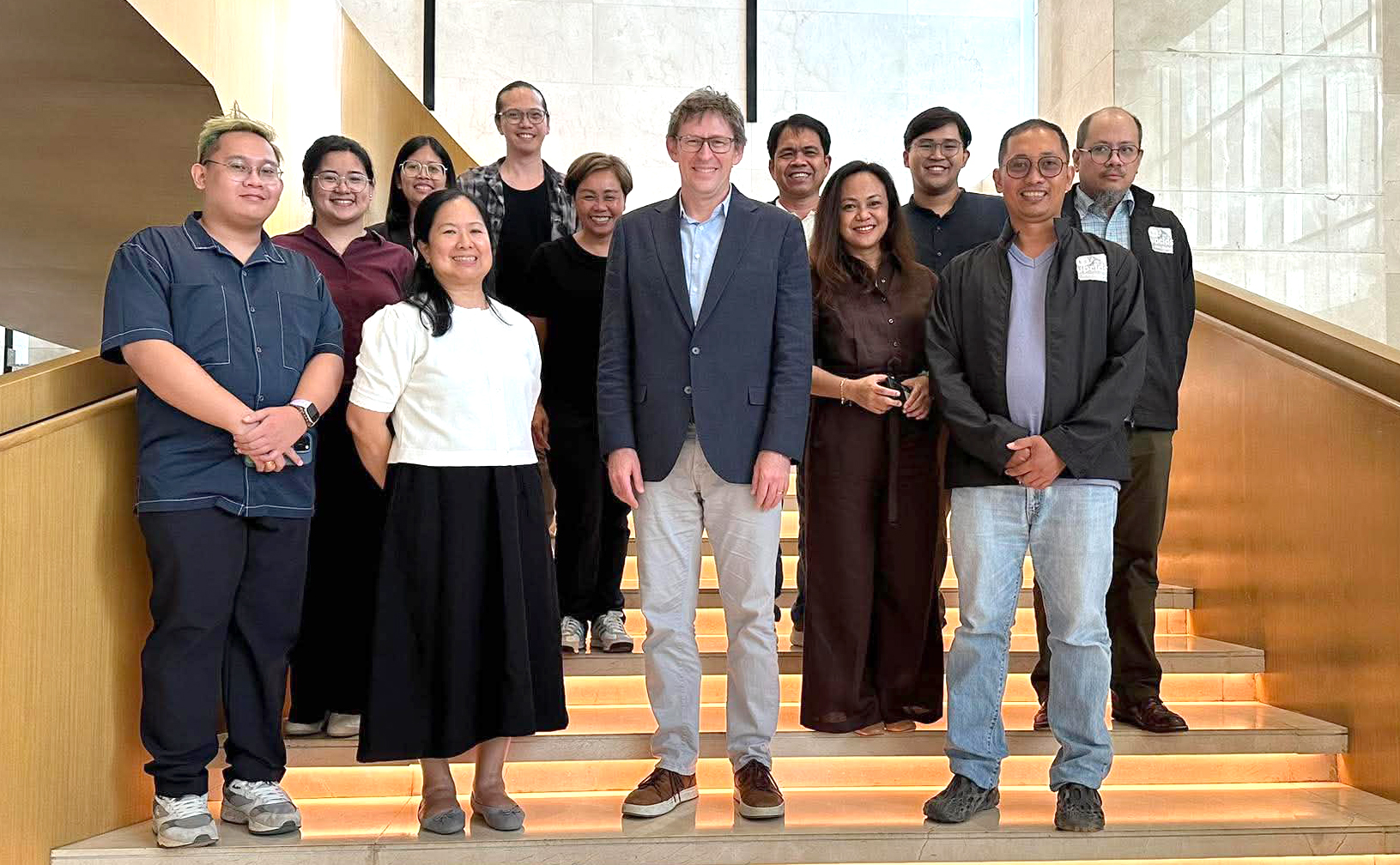
The lecture series formally opened on 6 May 2026 with welcome remarks from Rosalie Arcala-Hall, Director of UP CIDS. This was followed by the rationale delivered by Weena Gera, convenor of the Urban Studies Program, who framed the gathering as part of a broader effort to deepen interdisciplinary engagements on urban governance, climate vulnerability, and democratic accountability in rapidly transforming coastal regions. She also introduced the keynote lecturer, Ryan Tans, a lecturer under the Special Programmes of NUS College at the National University of Singapore whose work examines the politics of coastal reclamation, urban development, public policy, and climate adaptation in Southeast Asia.
In his keynote lecture, “Coastal Politics and Climate Adaptation in Indonesia,” Dr. Tans examined the political and social dynamics surrounding land reclamation projects in Indonesia and the contested visions of urban futures they produce. Drawing from his research on anti-reclamation movements, he emphasized that the outcomes of resistance campaigns frequently hinge on the capacity of affected communities and advocates to forge coalitions across political, economic, and civic spheres. While reclamation projects are often framed within state narratives of modernization, flood mitigation, and economic growth, Dr. Tans underscored how such interventions may simultaneously intensify socio-environmental inequalities and deepen the precarity of coastal populations already vulnerable to displacement and ecological disruption.
The lecture was followed by an extensive open forum attended by undergraduate and graduate students, faculty members from UP Mindanao, and representatives from professional organizations including the United Architects of the Philippines and the Philippine Institute of Environmental Planners. The discussion expanded on questions of urban resilience, governance, participatory planning, and the uneven social consequences of infrastructure-led development.
Subsequently, researchers from the participating campuses presented selected studies from their 2024 and 2025 project cycles. From the UP Cebu project team, John Ryan Jacot presented “Flood War Urbanisms: Intersecting Challenges in Land Use Planning, Housing and Resettlement, and Solid Waste Management in Cebu’s Flood Management, 2022–2025,” while Kobe Loseñada delivered “Rise and Sink? Rethinking Urbanization through Perspectives from Small Urban Islands in Getafe, Bohol.” Both papers interrogated the tensions between urban expansion, environmental governance, and community vulnerability in rapidly changing coastal spaces.
The UP Visayas team—composed of Mr. Alan Moscoso, Mr. Brian Ventura, and Project Leader Rhodella Ibabao—presented the co-authored studies “Revitalizing an Urban River: Stakeholders’ Engagement to Improve the Water Quality of the Iloilo-Batiano River System” and “The Challenges of Environmental Management for Highly Urbanized Cities: The Urban Renewal Regime and the Case of the Iloilo-Batiano River System.” Their presentations examined the complexities of environmental governance, institutional coordination, and stakeholder participation within contexts of accelerated urban renewal.
Representing UP Mindanao, Raymundo Pavo presented “Fishing Along the Davao City Coastal Road: Narratives of Displacement and Resilience,” a study exploring the lived experiences of fisherfolk communities affected by the 2017 coastal road construction in Davao City. The paper foregrounded questions of livelihood disruption, adaptation, and the social costs embedded within large-scale coastal infrastructure projects. A succeeding open forum enabled further exchanges among presenters and participants before the day concluded with closing remarks from Architect Ryan Songcayauon, UP Mindanao CIDS USP Project Leader.
The second day of the engagement shifted toward a collaborative workshop focused on identifying the overarching framework for the program’s planned compendium publication. Guided by Dr. Arcala-Hall and Dr. Tans, the participating teams deliberated on thematic intersections emerging from their collective body of work, particularly on urban governance, environmental justice, coastal vulnerability, and local resilience. Conceived as both a scholarly and policy-oriented initiative, the compendium seeks to consolidate the program’s three years of research into an accessible and analytically grounded handbook for policymakers, local government units, planners, and civil society stakeholders engaged in addressing contemporary urban development challenges.
The final day culminated in a writeshop and roundtable discussion facilitated by Dr. Tans, where participants collaboratively outlined a prospective book proposal organized around identified cross-cutting themes that surfaced throughout the engagement. The session underscored the importance of sustained interdisciplinary dialogue and regionally grounded scholarship in confronting the evolving realities of urban transformation, climate adaptation, and emerging blue economy governance in the Philippines.