UP CIDS Kicks Off Field Visits to Support Maritime Training and Assessment Fee Regulation

The University of the Philippines Center for Integrative and Development Studies (UP CIDS), commissioned by the Maritime Industry Authority (MARINA) in collaboration with its Standards of Training, Certification and Watchkeeping (STCW) Office, officially launched the data collection phase of the policy research project entitled “Maritime Training and Assessment Fee Regulation: Establishing Fair, Competitive, and Evidence-Based Fee Standards for Philippine Seafarer Training and Assessment”.
Following the initial stakeholder consultation on 17 July 2026, the CIDS project team—composed of Dr. Rosalie Arcala Hall, Dr. Benjamin Vallejo, Jr., Dr. Maragtas Amante, and Atty. Bertrand Santos—conducted extensive fieldwork at selected MARINA-accredited Maritime Training Institutions (MTIs) and Assessment Centers (ACs) nationwide from August to October 2026. The team completed 12 field visits across multiple regions, covering two Assessment Centers (ACs) in Metro Manila and ten Maritime Training Institutions (MTIs): three in Cavite, three in Cebu, two in Davao, one in Bataan, and one in Laguna.
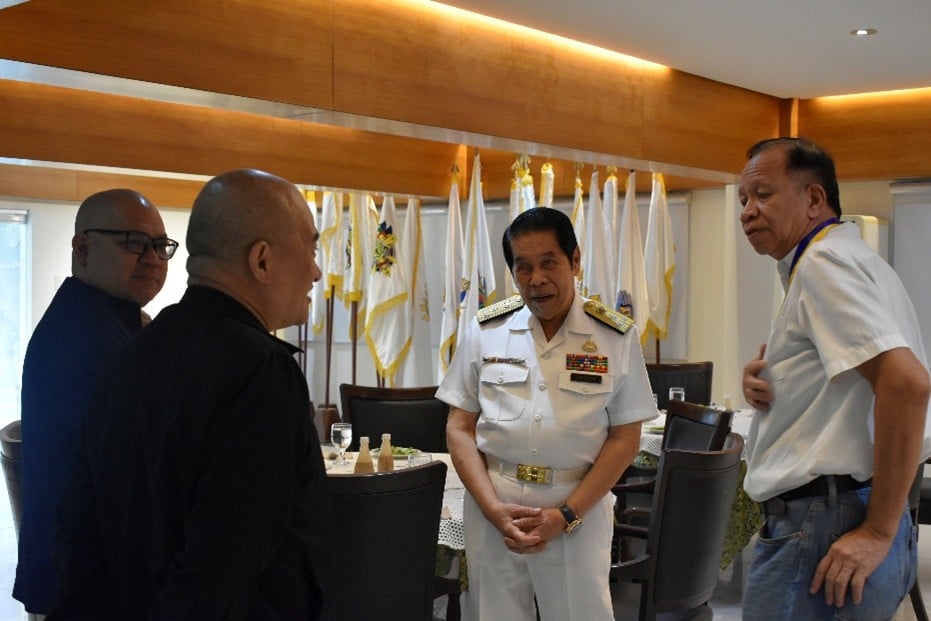
As part of the study to develop a regulatory framework on mandatory STCW training and assessment fees in the Philippines, the field visits involved in-depth interviews with management officials, focus group discussions with seafarer trainees, and brief tours of facilities. The team sought to capture qualitative insights and field observations to better understand current practices, challenges, and recommendations, and ultimately, inform the formulation of possible policy options on regulating maritime training and assessment fees. Key discussions focused on perceptions of affordability, fee calculation methods, underlying cost drivers, trainee financing mechanisms, and policy recommendations for MARINA.
In delivering STCW courses, management officials discussed the constant struggle to maintain financial stability amid high operational costs, particularly rentals, consumables, and instructor compensation, in compliance with MARINA training standards. Some officials confided pressing issues in the industry, specifically price undercutting, diploma mills, and the practice of proxy attendance. Officials emphasized that fees must reflect the true cost of instruction and compliance to remain sustainable without sacrificing quality and safety.
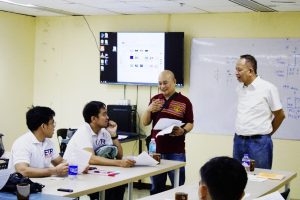
On the other hand, seafarers, especially entry-level trainees, shoulder a heavy financial burden to complete mandatory certifications required for onboard deployment. While some secure corporate sponsorships or enroll in Study Now, Pay Later programs, many still pay out of pocket or resort to loans. Trainees stressed that living expenses like food, accommodation, and transportation significantly add to their financial strain. When choosing their training or assessment center, trainees expressed reliance on word-of-mouth recommendations, publicly posted fees, and promotional packages to ensure they avail a value-for-money deal.
Geographic location plays a pivotal role for both operators and trainees. For operators, core operational expenses remain fairly uniform across the country, as consumables and instructor compensation vary little by region. For trainees, regional centers offer major financial relief by eliminating the need to travel to Metro Manila, keeping them closer to home while reducing expenses on travel, food, and lodging. However, experienced seafarers observed how advanced and specialized courses remain largely concentrated in Metro Manila, forcing them to spend more on ancillary expenses when trying to upgrade their ranks.

Looking ahead, most of the officials and trainees support national price regulation, favoring a mandatory minimum price floor to eliminate substandard operations in the industry. Tangentially, participants highlighted several systemic issues, including online portal downtimes, redundant refresher courses, short certification validity periods, and lack of government financial assistance programs.
The team was able to capture lived realities and diverse perspectives that the fees alone cannot convey, providing sufficient context on operational expenses and cost drivers to supplement the quantitative analysis of training and assessment fees. This integrated approach is expected to lay the groundwork for establishing a fair, competitive, and evidence-based regulation in support of the objectives of the Magna Carta of Filipino Seafarers (Republic Act No. 12021). Moving forward, the synthesized findings of the study are expected to be presented in upcoming stakeholder consultations initiated by MARINA.