Philippine National Dialogue on the Science, Ethics, and Responsible Governance of Earth-Cooling
by Julius Rhoan T. Lustro
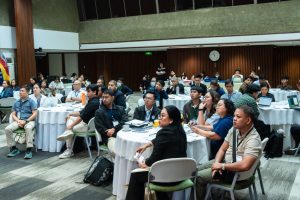
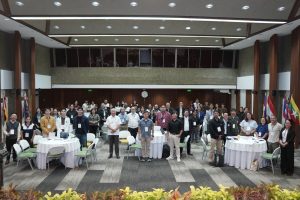
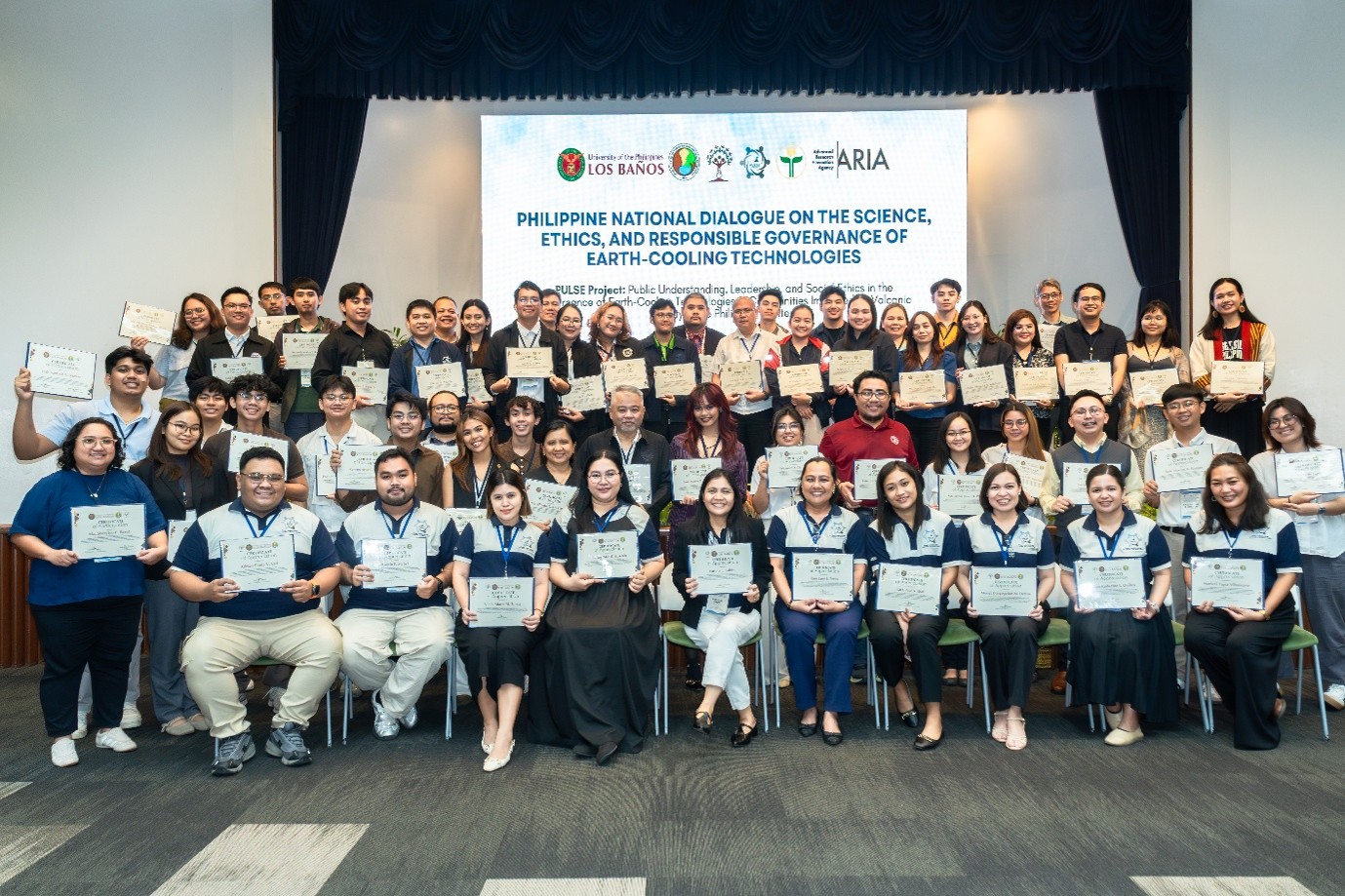
The Philippine National Dialogue on the Science, Ethics, and Responsible Governance of Earth-Cooling Technologies was held on October 27, 2026, at the Umali Auditorium of the Southeast Asian Regional Center for Graduate Study and Research in Agriculture (SEARCA), University of the Philippines Los Baños. The University of the Philippines Center for Integrative and Development Studies (UP CIDS) was represented by Dr. Julius Rhoan T. Lustro, Co-Convenor of the Political Economy Program (PEP), and Mr. Roberto Coscolluela Jr., Senior Research Associate of the Conservation and Biodiversity Program (CBP). The dialogue brought together researchers, government agencies, civil society organizations, and other stakeholders to examine emerging earth-cooling technologies, particularly Solar Radiation Modification (SRM) and Stratospheric Aerosol Injection (SAI), focusing on their scientific foundations, governance challenges, and potential implications for addressing climate change.
The morning presentations examined the scientific basis of climate change and the possible outcomes of atmospheric interventions, including insights from PHIVOLCS on volcanic emissions and their influence on global temperatures. DOST-PAGASA presented historical climate observations and future projections for the Philippines, highlighting regional differences in temperature and rainfall patterns. Researchers from UPLB discussed how SRM scenarios could affect drought conditions and rice production, underscoring the need to assess their consequences for agricultural productivity and water security. The afternoon session introduced the PULSE Project (Public Understanding, Leadership, and Social Ethics in the Governance of Earth-Cooling Technologies in Communities Impacted by Volcanic Activity in the Philippine Context).
The afternoon workshop further highlighted the importance of incorporating community perspectives into discussions on earth-cooling technologies. The findings presented explored public awareness, institutional trust, participation, and accountability, emphasizing the need for transparency, meaningful public engagement, robust environmental safeguards, and clearly defined institutional responsibilities. While participants generally expressed confidence in scientists and government institutions, they also acknowledged uncertainties surrounding the feasibility, implementation, and long-term consequences of these technologies. Overall, the workshop emphasized the multidisciplinary nature of climate intervention research and the importance of integrating scientific evidence with social, ethical, and governance considerations. For the Philippines, sustained research and informed public discourse will be essential to assessing the opportunities and risks associated with emerging earth-cooling technologies, which are intended to complement rather than replace existing climate change mitigation and adaptation efforts.