Making the Invisible Visible: UP Experts, Government, and Industry Push for Democratized Air Quality Monitoring Through Low-Cost Sensors
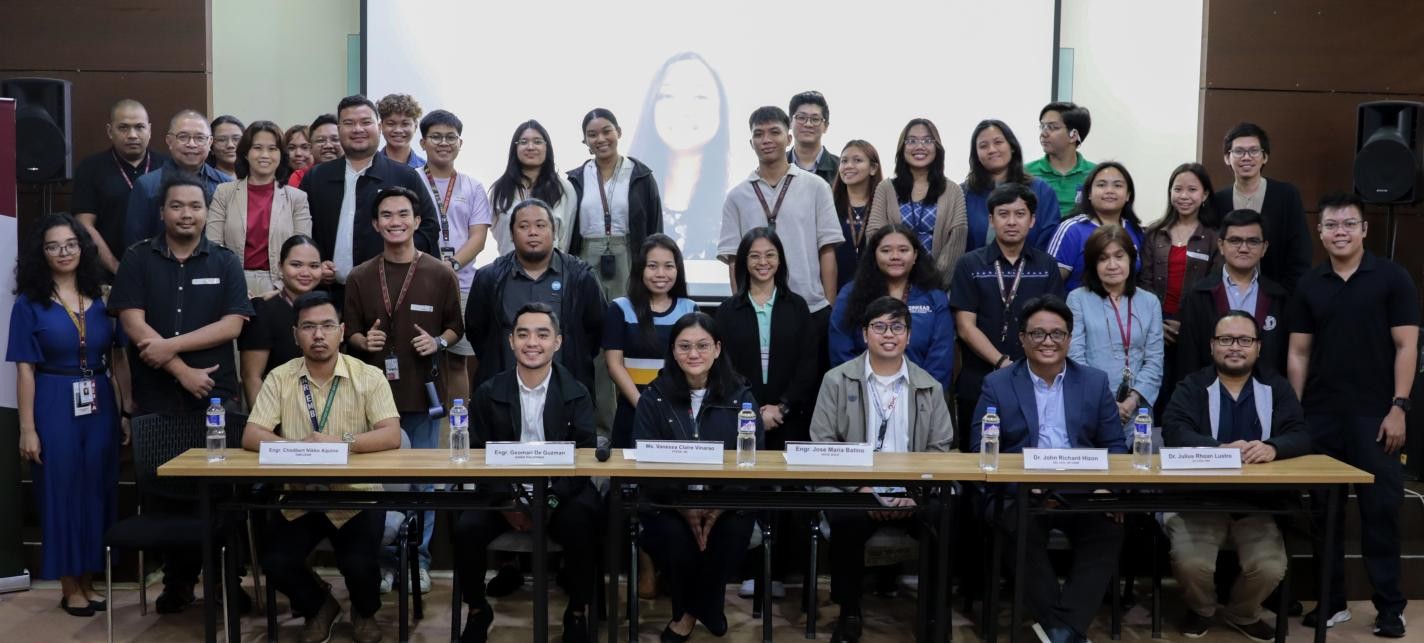
9 July 2025 – University of the Philippines Diliman
The University of the Philippines Center for Integrative and Development Studies (UP CIDS) through its Political Economy Program (PEP), organized a roundtable discussion “Making the Invisible Visible: Democratizing Air Quality Monitoring Through Low-Cost Sensor Technology” last July 9, 2025 at the National Engineering Center, UP Diliman, in partnership with the UP College of Engineering, and UP Center for Air Research in Urban Environment (UP CARE) showcasing the latter’s air quality monitoring using low-cost customized technologies. The event gathered academe, government regulators, local government representative, and stakholders to discuss how locally developed technologies can expand and strengthen air quality monitoring in the Philippines.
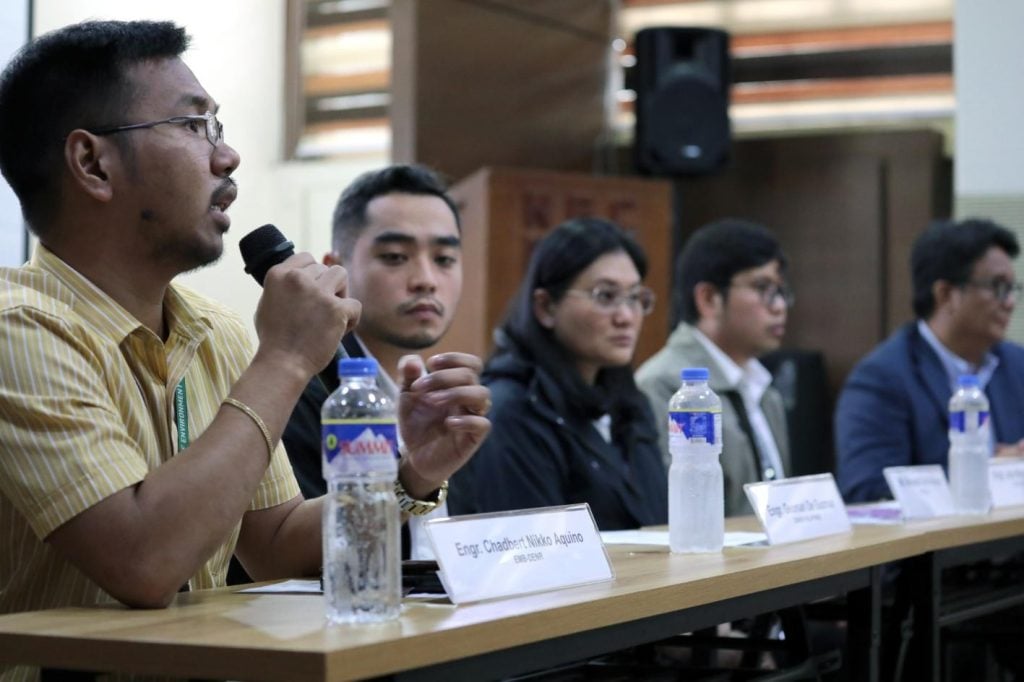
The panelists (from left): Engr. Chadbert Nikko Aquino, Engineer II at the DENR-EMB; Engr. Geomari De Guzman, Assistant Manager of Daikin Airconditioning Philippines, Inc; Vanessa Claire Vinarao, acting division chief of the Climate Change Mitigation Division of the Quezon City Climate Change and Environmental Sustainability Department; Engr. Raymar Fernando, industrial hygienist at the DOLE-OSHC and Dr. John Richard Hizon, program leader of the UP CARE.
In opening remarks, Dr. Antoinette Raquiza, Convenor of UP CIDS-PEP, underscored the gravity of air pollution as pressing environmental and public health issue. She also highlighted the heightened awareness of indoor air quality brought by the COVID-19 pandemic. The introduction was followed by Dr. Julius Rhoan Lustro of Department of Mechanical Engineering of UP Diliman, a Project Leader of UP CARE, and Dr. John Richard Hizon, the Program Leader of UP CARE.
Dr. Lustro provided how engineering simulation can be utilized to visualize air flow and pollutant dispersion in an enclosed space. He also added that these simulations provide information on how to improve air quality. Case samples were undertaken in a Quezon City bus and a small-scale shoe factory in Marikina.
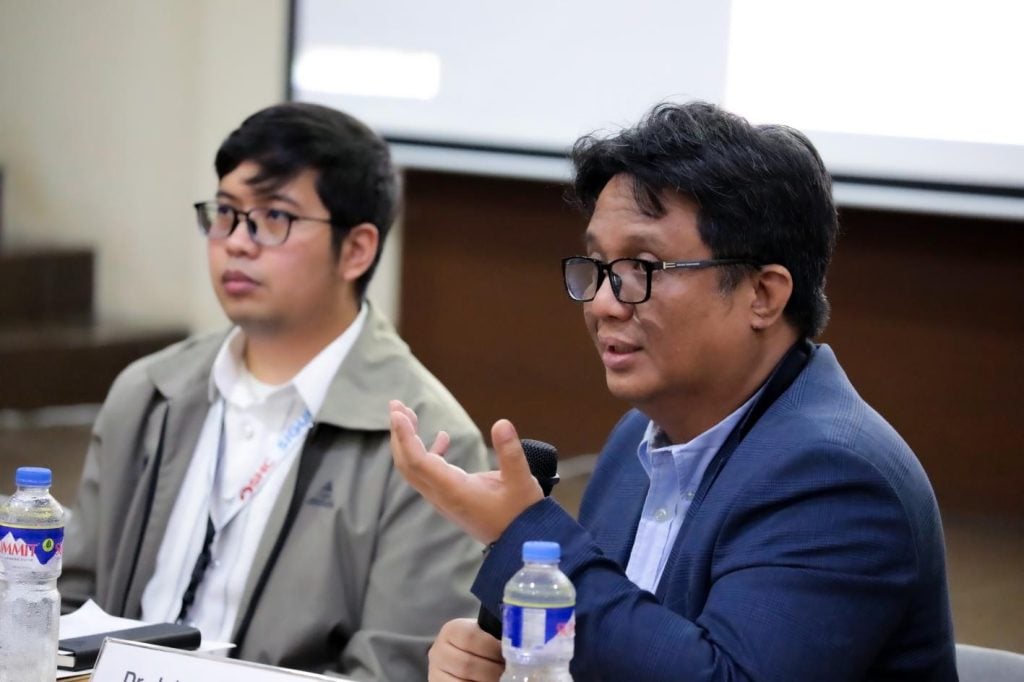
Meanwhile, Dr. Hizon stressed the high cost of air quality monitoring prompted the UP CARE to develop low-cost sensor technology and accurately follow the pollution trends. He also revealed that their program seeks to build infrastructure for indoor and outdoor air quality monitoring and they deployed 36 sensor prototype all over the country since 2022, in partnership with LGUs.
Reactors from government regulators, LGU representative, and private sector later gave their response to the project. Engr. Chadbert Aquino of the Department of Environment and Natural Resources – Environmental Management Bureau (DENR-EMB) shared that the agency is updating national standards for ambient and mobile emissions and expressed strong interest in integrating low-cost technologies into the national monitoring network. Engr. Rey Mark Fernando of Department of Labor and Employment – Occupational Safety and Health Center (DOLE-OSHC) emphasized the urgency of indoor air quality monitoring for workplace safety and productivity.
Private sector reactor, Engr. Geomari De Guzman of Daikin Philippines praised the UP CARE’s work on air quality monitoring and offering the company’s expertise for collaboration. On the other hand, Ms. Vanessa Vinarao of the Quezon City Climate Change Department showcased the city’s own low-cost sensor network that informs policies such as class suspensions and green building IAQ standards.
Dr. Mylene Cayetano of the UP Institute of Environmental Science and Meteorology synthesized the event, highlighted the promise of Filipino-built technology as key to democratizing air quality monitoring—ensuring accessibility, lower costs, and immediate technical support.
Closing the event, Dr. Raquiza underscored the importance of science-based policymaking and lauded UP CARE’s contribution to strengthening a local innovation ecosystem. She expressed hope that the discussion will lead to more collaboration and make the low-cost sensor technology available to all sectors###
(Photos by Jonathan Madrid of UP Media and Public Relation Office)