MARINA and UP CIDS Convene First Stakeholder Consultation on Maritime Training and Assessment Fee Regulation
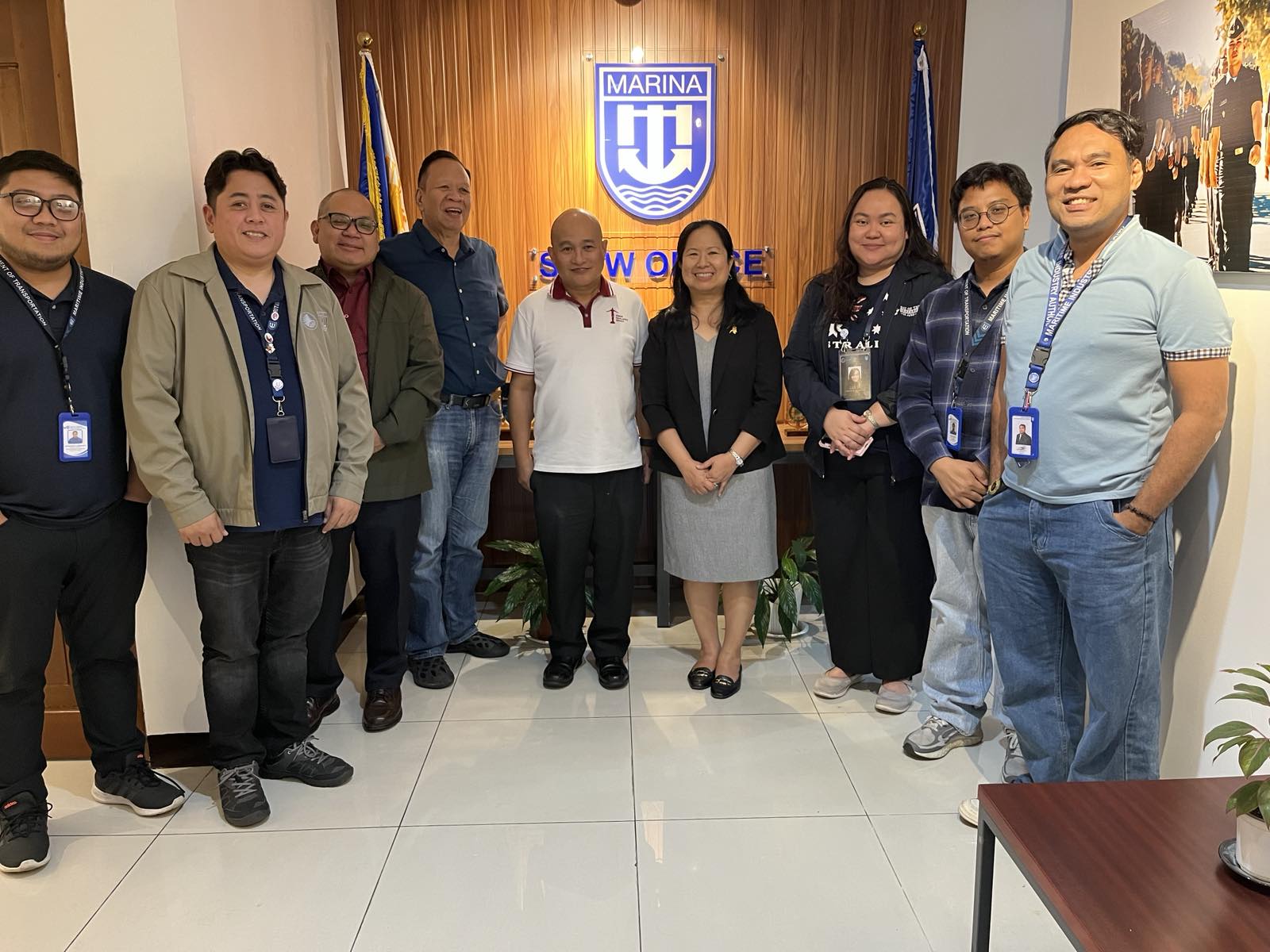
The Maritime Industry Authority (MARINA) and the University of the Philippines Center for Integrative and Development Studies (UP CIDS) have signed a Memorandum of Understanding (MOU) for the policy research project entitled “Maritime Training and Assessment Fee Regulation: Establishing Fair, Competitive, and Evidence-Based Fee Standards for Philippine Seafarer Training and Assessment.” As part of the project’s initial activities, the MARINA Standards of Training, Certification and Watchkeeping (STCW) Office and the UP CIDS research team—composed of Dr. Rosalie Arcala Hall, Dr. Maragtas Amante, Dr. Benjamin Vallejo, and Atty. Bertrand Santos—conducted the first stakeholder consultation meeting with Maritime Training Institutions (MTIs) and Assessment Centers (ACs) via Zoom on 17 July 2026.
The study aims to develop an evidence-based regulatory framework for fees charged by MTIs and ACs, particularly for mandatory STCW training and assessment requirements. The consultation provided an opportunity to present the objectives, scope, and methodology of the research and to gather stakeholder perspectives on the current maritime training and assessment fee environment.
Discussions focused on the factors affecting training and assessment fees, including operational costs, facilities and equipment, personnel requirements, and institutional arrangements, as well as the need to balance affordability for Filipino seafarers with the financial sustainability of accredited providers. Participants also emphasized the importance of collecting reliable and comparable data on fees, enrollment, assessment activities, and operational characteristics to support the study’s analysis of fee structures, market conditions, and competition within the Philippine maritime training and assessment sector.
The stakeholder consultation is part of the broader mixed-method research approach adopted by UP CIDS and MARINA. The study will combine administrative and fee data collection, quantitative analysis, stakeholder interviews and consultations, field validation, international benchmarking, and a Regulatory Impact Assessment (RIA) consistent with the requirements of the Anti-Red Tape Authority (ARTA).
The insights gathered will inform the development of a practical, transparent, and evidence-based regulatory framework for maritime training and assessment fees. The research supports the policy objectives of the Magna Carta of Filipino Seafarers (Republic Act No. 12021), particularly the right of seafarers to educational advancement and training at reasonable and affordable costs. It will provide evidence-based inputs to the regulation of fees charged by maritime training institutions and assessment centers, contributing to policies that promote the welfare and interests of Filipino seafarers while supporting the sustainability and quality of maritime training and assessment services in the Philippines.