Teaching Beyond Borders: Roundtable Calls for Safer, Fairer Pathways for Filipino Teachers in ASEAN
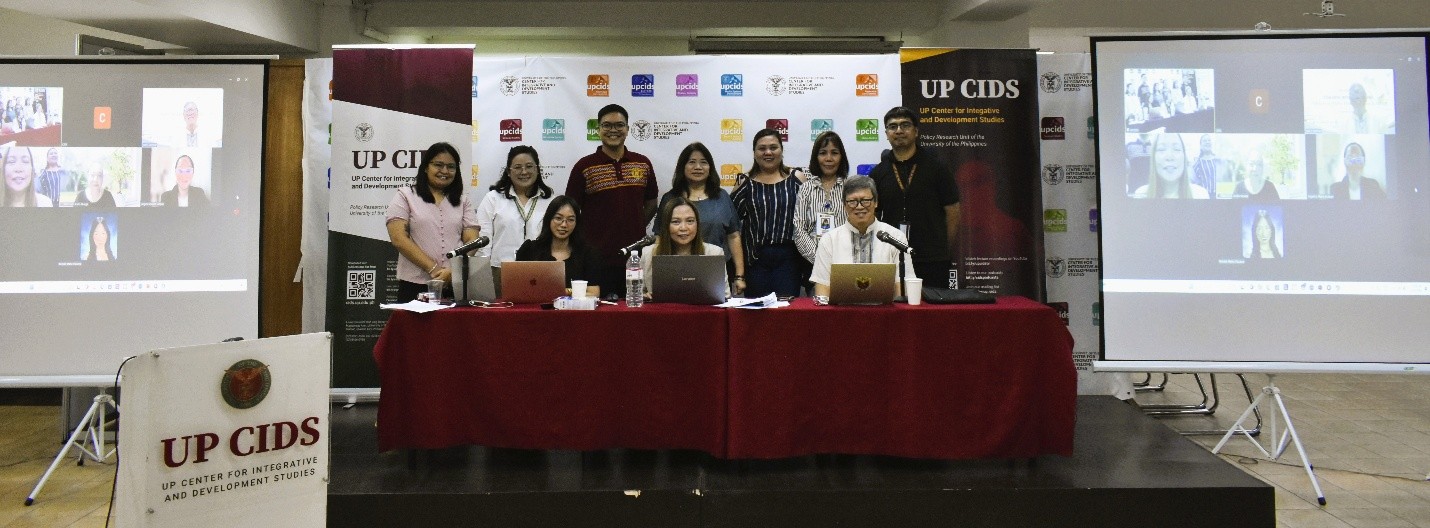
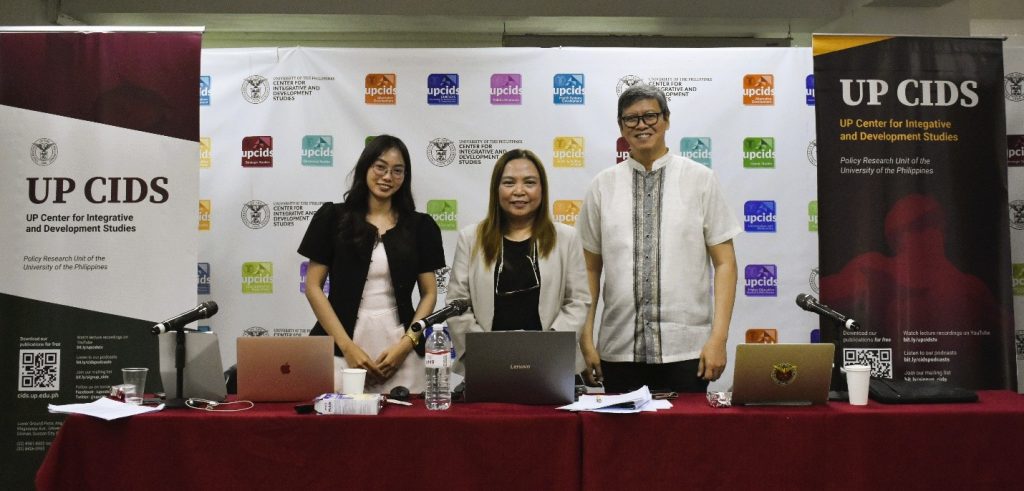
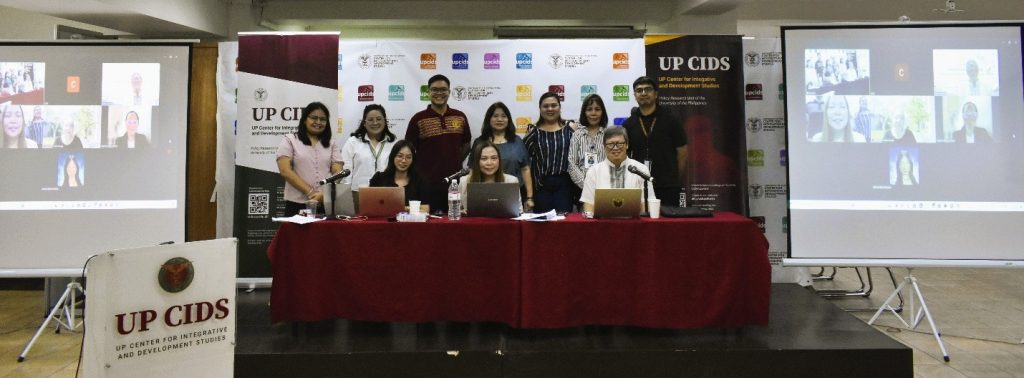
Education leaders, policymakers, researchers, teacher advocates, and Filipino educators across Southeast Asia convened for the roundtable discussion “Teaching Beyond Borders: Dialogues on Filipino Teacher Migration in ASEAN” to examine the growing movement of Filipino teachers within the region and identify policy pathways that protect educators while strengthening the Philippine education sector.
Organized by the University of the Philippines Center for Integrative and Development Studies (UP CIDS) in partnership with the UP College of Media and Communication and the UP College of Education, the forum gathered participants from educational institutions, government agencies, and Filipino communities across ASEAN to discuss the realities, opportunities, and challenges of teacher migration.
Presenting initial findings from the ongoing research project on Filipino teacher migration, Dr. Lucia Palpal-latoc-Tangi, Associate Dean of the College of Media and Communication, University of the Philippines Diliman, highlighted the various pathways Filipino teachers take to secure teaching positions in ASEAN countries. These include recruitment through licensed agencies accredited by the Department of Migrant Workers, direct hiring arrangements with schools by using a tourist visa, business visa pathways facilitated by institutional partnerships, and other informal migration routes that teachers sometimes pursue in response to lengthy processing requirements and limited domestic opportunities.
The research revealed that many Filipino teachers are drawn to ASEAN destinations such as Thailand, Vietnam, Singapore, Indonesia, and Brunei by higher salaries, lighter teaching loads, better professional development opportunities, and more favorable working conditions. However, speakers emphasized that migration pathways vary significantly in terms of legality, security, and protection. While licensed recruitment channels offer greater safeguards, some teachers continue to rely on informal or unconventional routes that expose them to immigration risks, employment vulnerabilities, and financial losses.
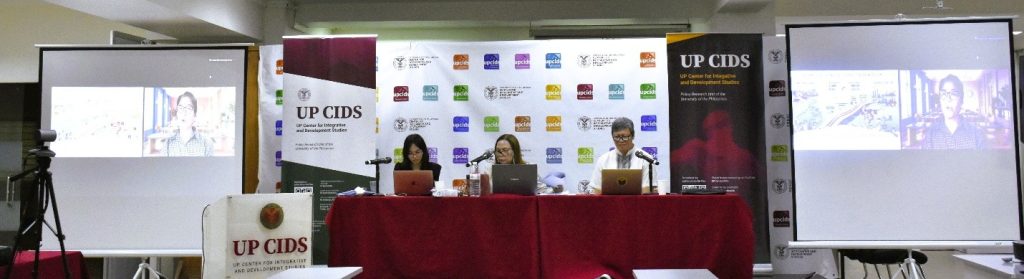
Sharing experiences from Brunei, Dr. Rachelle Sarmiento, former Vice President of the Association of Filipino Educators in Brunei, described established recruitment processes requiring professional licenses, authenticated credentials, and government-approved employment procedures. She emphasized that Filipino teachers have earned a strong reputation in ASEAN for their competence, professionalism, and commitment to student learning.
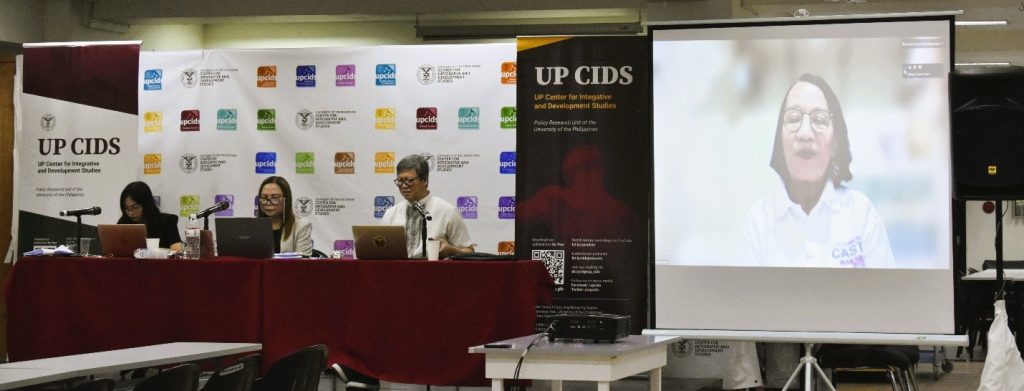
Panelists likewise stressed that teacher migration should not be viewed solely as labor mobility. According to former ACT Partylist Representative France Castro, migration reflects broader concerns related to compensation, professional recognition, working conditions, and teachers’ rights. Meanwhile, Dr. Maricris Acido-Muega of the Teacher Education Council underscored ongoing efforts to align teacher qualifications with regional standards and strengthen pathways for professional mobility and reintegration.
The roundtable generated several key recommendations. Participants called for stronger bilateral and regional agreements on teacher mobility, standardized employment contracts, enhanced monitoring of recruitment agencies, and improved legal and labor protections for migrant educators. They also advocated for ASEAN-wide recognition of teaching credentials, the development of common qualification frameworks, stronger support services from Philippine embassies and government agencies, and reintegration programs that allow returning teachers to reenter the Philippine education system more effectively.
Speakers further emphasized the need for policies that support not only migrant teachers but also the families they leave behind. Across discussions, participants agreed that a rights-based and teacher-centered framework must guide future migration policies.
Concluding the event, organizers affirmed that Filipino teachers are more than labor migrants. They are education professionals whose expertise contributes significantly to both national development and regional educational advancement. The dialogue underscored the importance of building ethical, inclusive, and sustainable mobility pathways that recognize teachers’ aspirations while safeguarding their welfare and professional dignity across ASEAN.