Education Research Program (ERP)

  • Source/Credit: TalkTogether
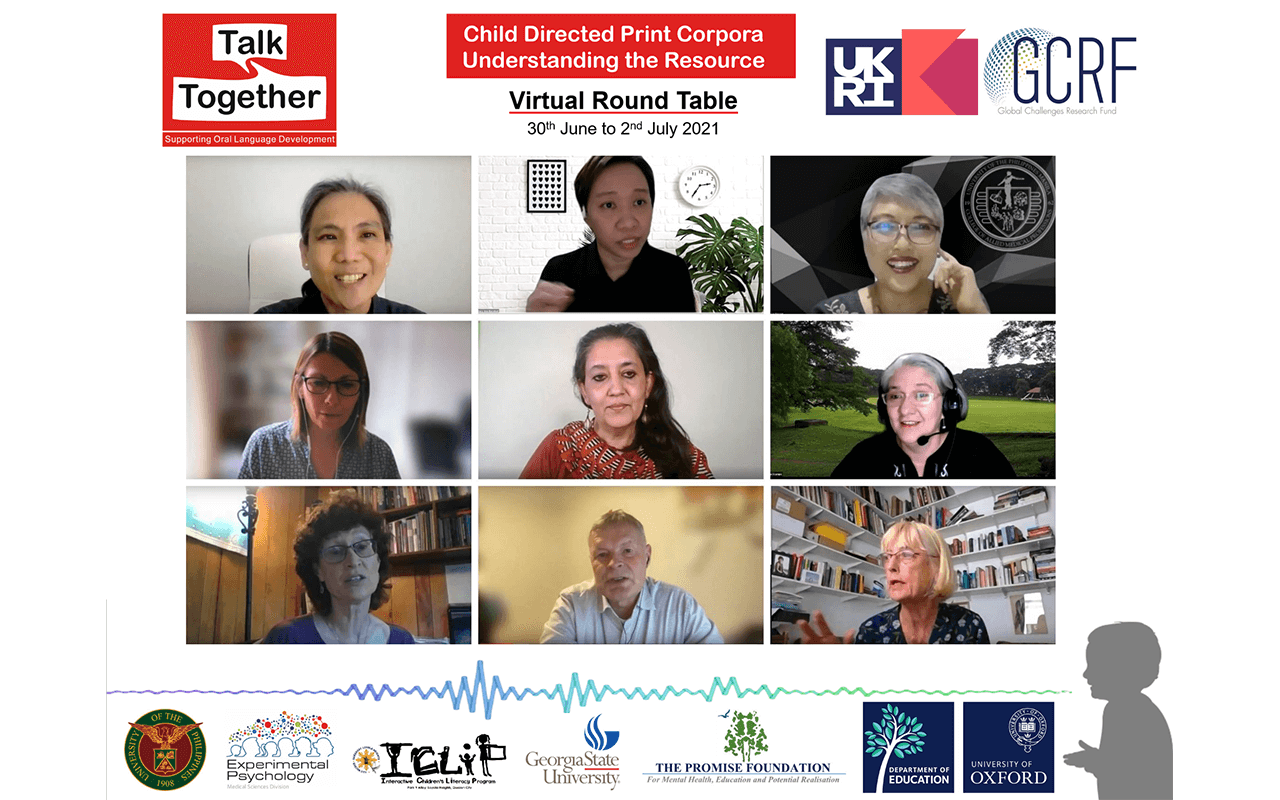
    1 virtual round table.png Co-chairs with some of the presenters at the virtual round table hosted by the University of Oxford TalkTogether
  • Source/Credit: Margaret Mary Rosary Carmel Fua
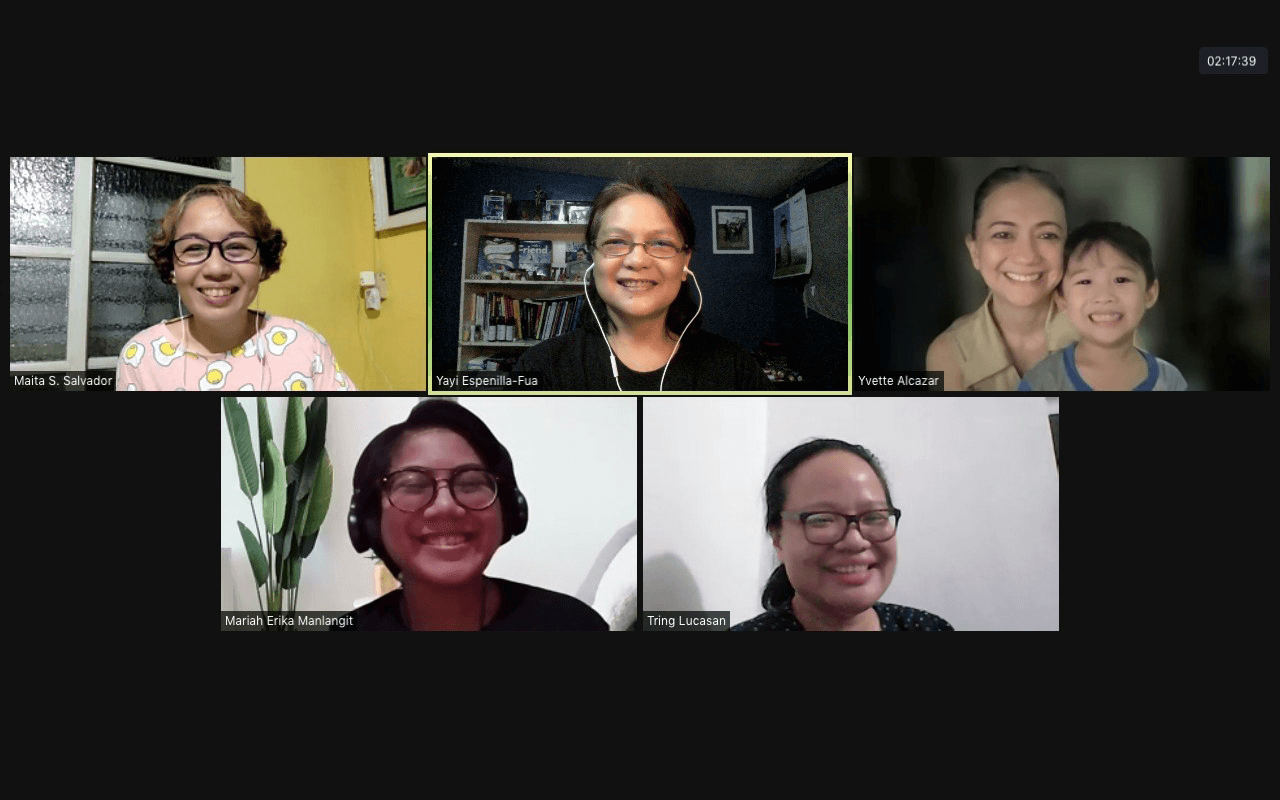
    Validation and finalization of the Multi-Literacy Assessments for Filipino Children
  • Source/Credit: Kathrina Lorraine Lucasan
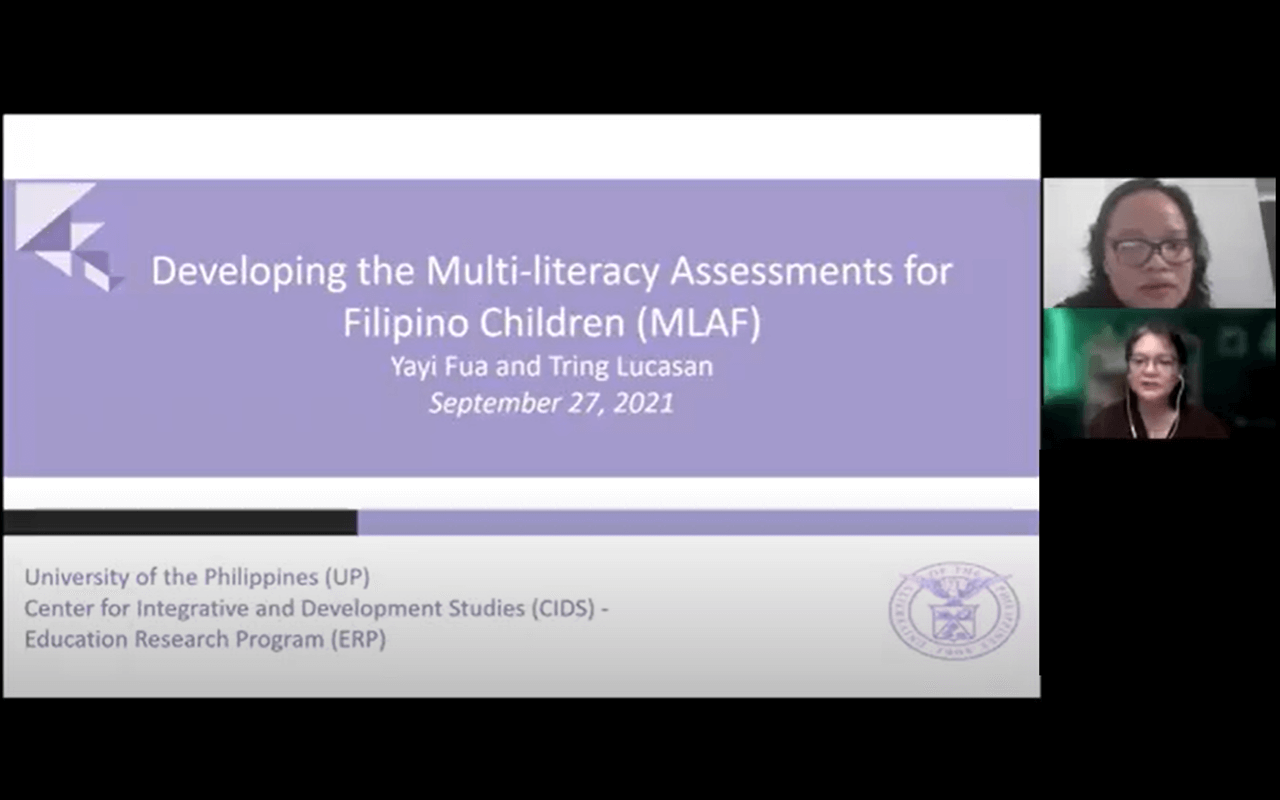
    Presentation of the development of the Multi-literacy Assessments for Filipino Children to reading students
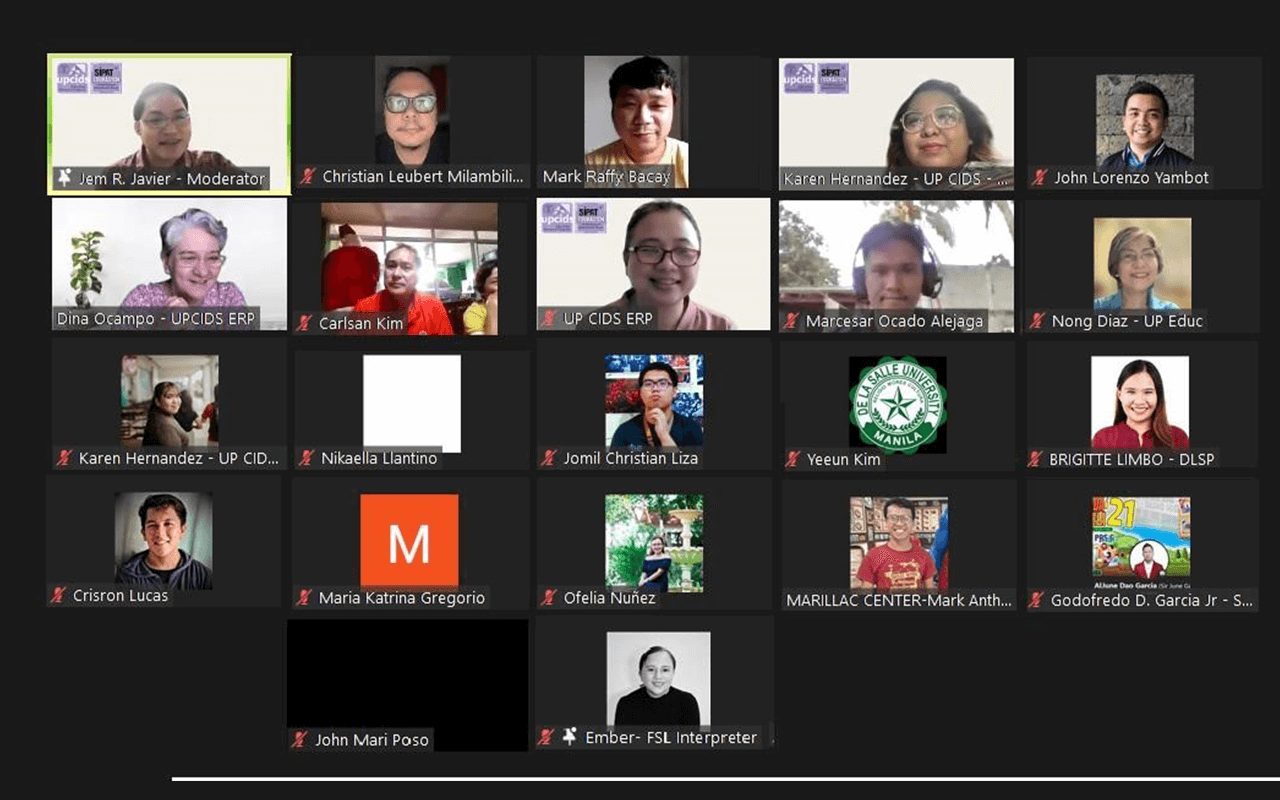
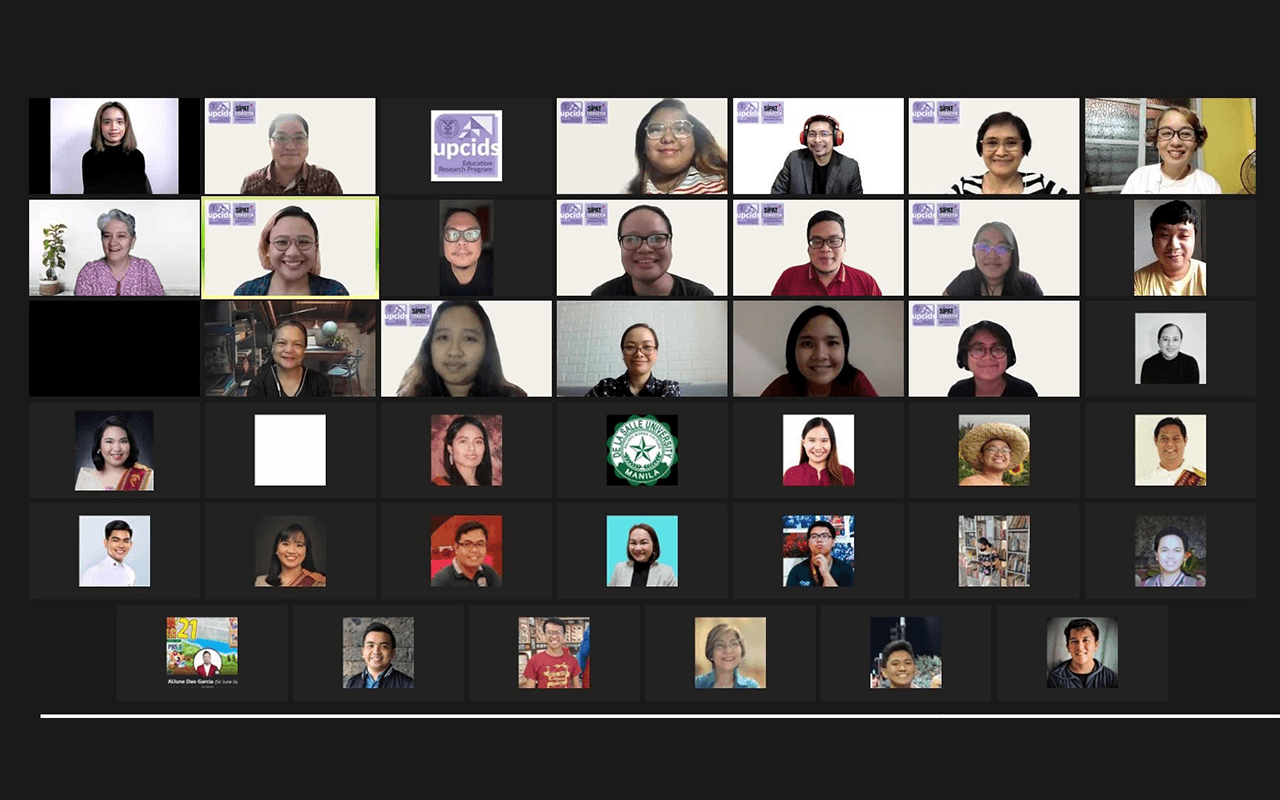
  • Source/Credit: Karen Angela Hernandez and Pam Gonzales
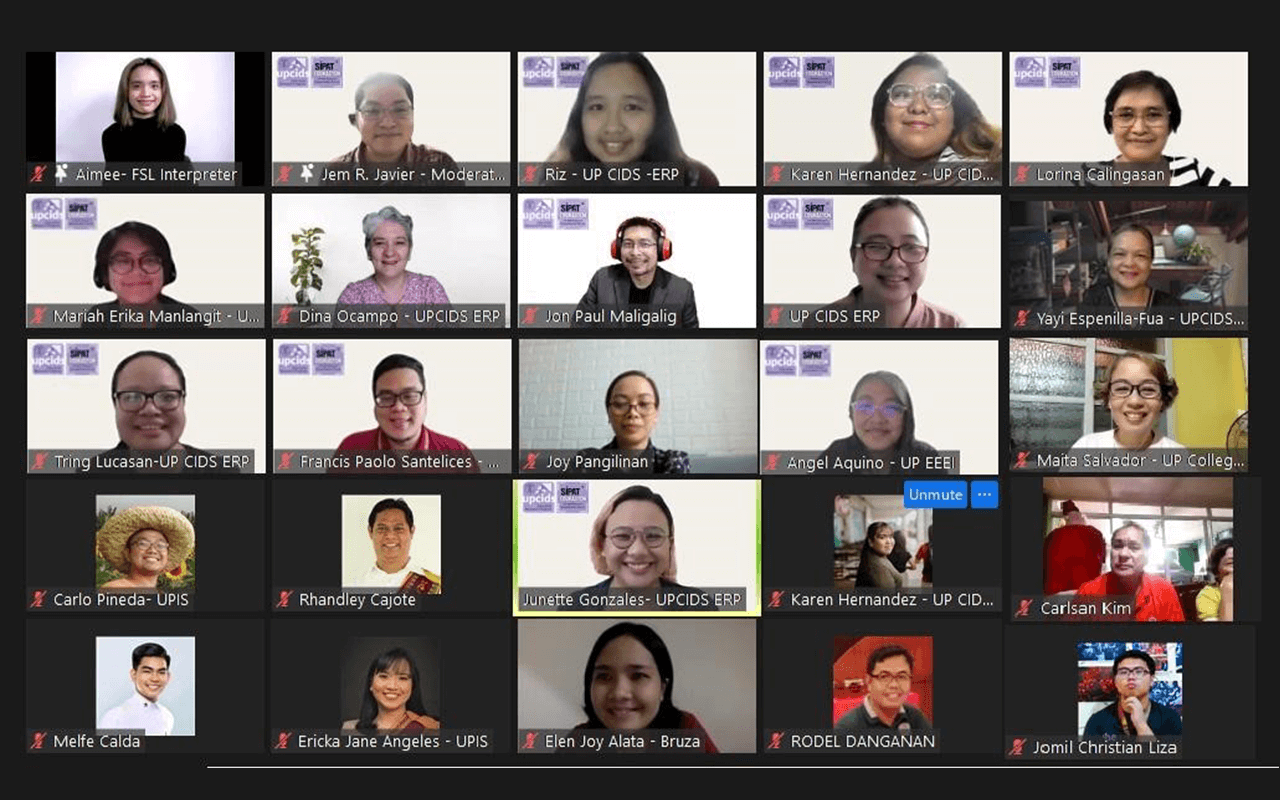
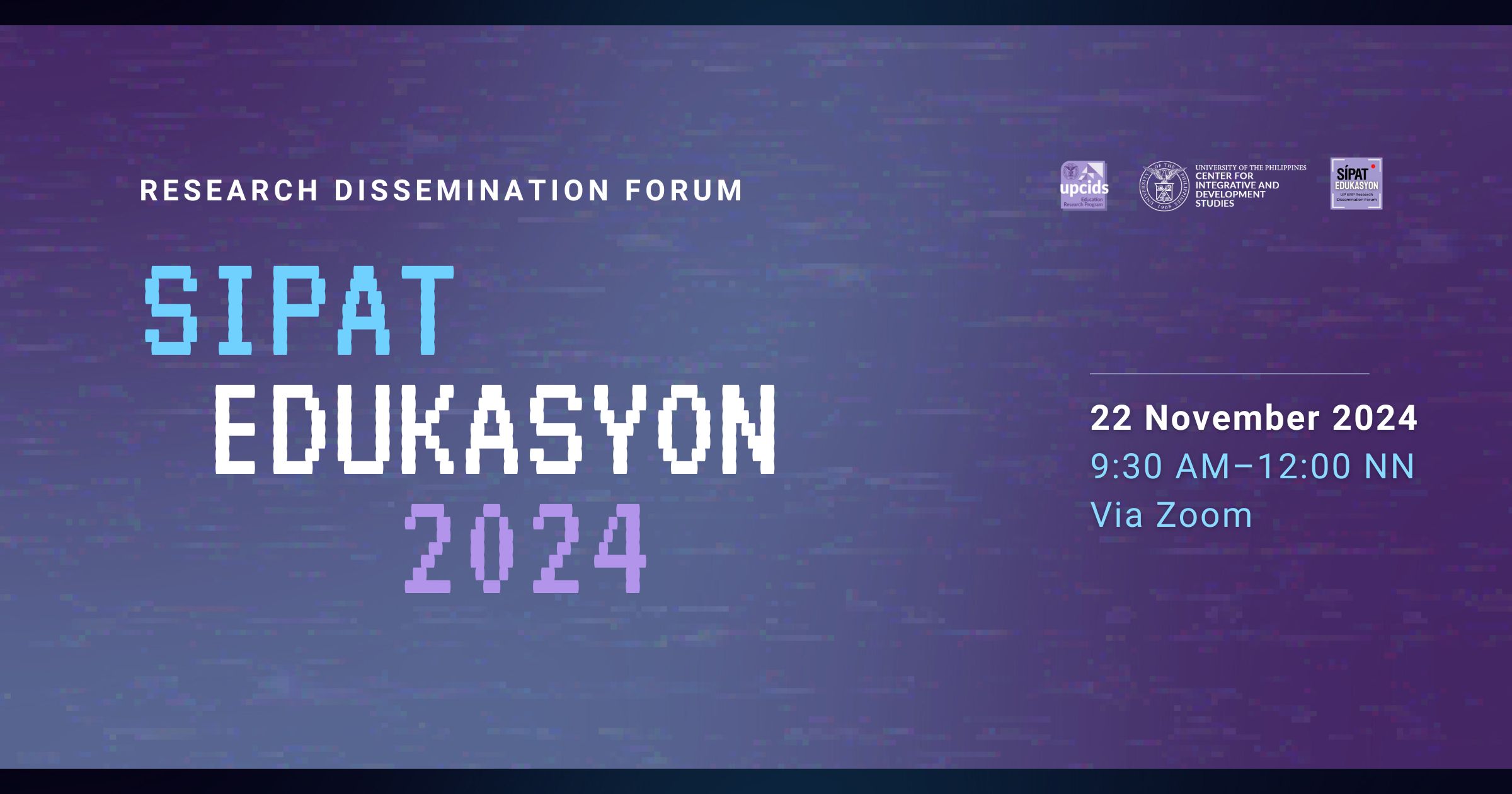
    Sipat Edukasyon last November 26, 2021
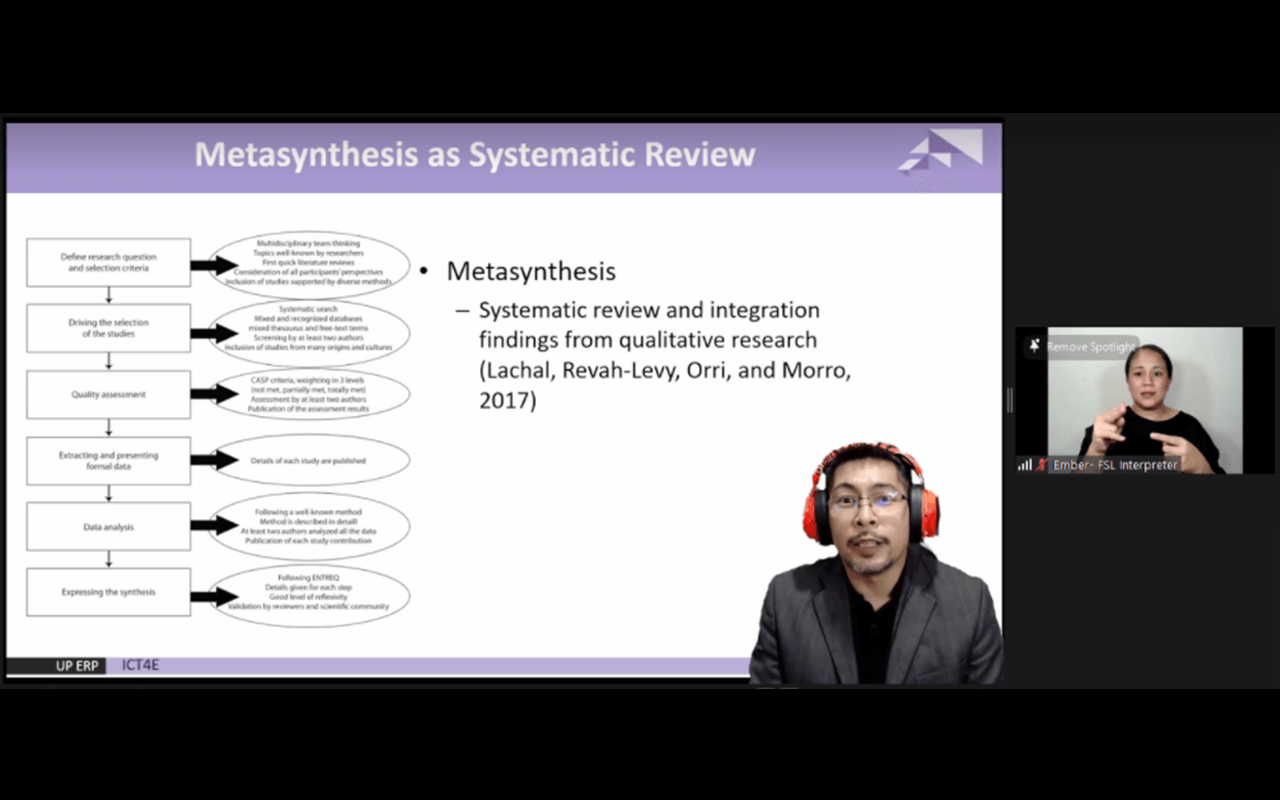
  • Source/Credit: Karen Angela Hernandez
    Presentation of ICT for Education research by Jon Paul Maligalig
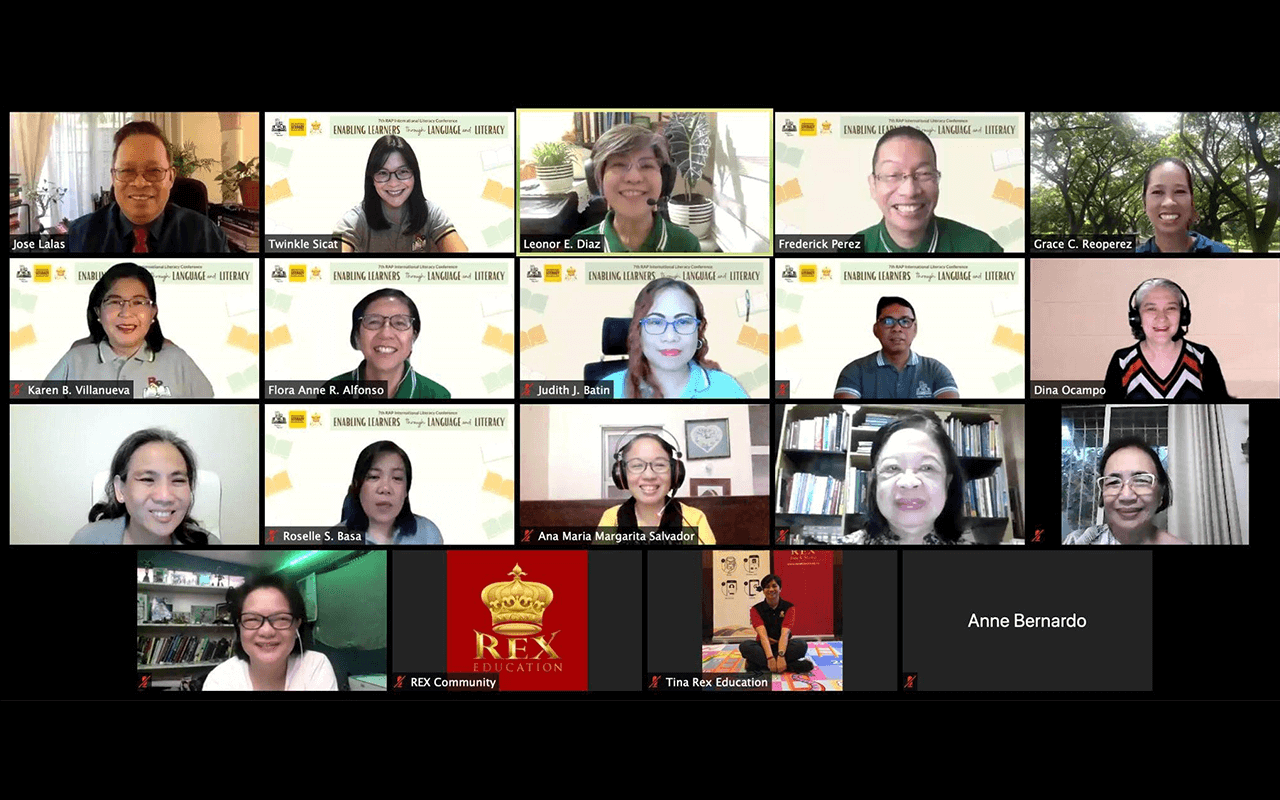
  • Source/Credit: Dr. Dina Ocampo
    Participants of the 7th Reading Association of the Philippines International Conference including Dr. Dina Ocampo, Prof. Margaret Mary Rosary Carmel Fua, and Dr. Portia Padilla Dr. Dina Ocampo

    Rationale

    From 1991 to 2005, the Education Research Program (ERP)’s research agenda was crafted together with educationists and disciplinal experts to make education research more relevant to communities.

    One strand of inquiry in the agenda focused on functional literacy and non-formal education. The emphasis of the research inquiry was on comprehensive community-based development through education interventions for adults.

    Another strand of inquiry was on the indigenization of curricula to suit the knowledge, values, practices, culture, and skills of members of indigenous or cultural groups.

    Family studies and education inquiries also comprise another set of research projects within ERP.

    The institutionalization of the K-to-12 Basic Education Program created major changes in the basic education curriculum which affects not only higher education but also early childhood and technical education. Many transitory scenarios and challenges have come to fore as the Philippines undergoes massive reforms.


    Objectives

    ERP crafted an education research agenda for five years (2018–2023), together with fellows and colleagues who are entrenched in education delivery and/or research.

    The objective of the agenda is to direct ERP’s work that will contribute to the deeper understanding of education issues and the social issues arising from reform.

    Below will be the objectives that will be met by crafting the agenda:

      1. To consolidate research and to create themes of Filipino scholarship on education topics
      2. To understand current issues in the education landscape
      3. To nurture a critical group of faculty researchers on education that is ably supported by competent research staff

    Publications


    Activities and Projects
    2026


    Skeptical Resilience Studies

    This is a continuing research that aims to develop skeptical resilience among participants and various audiences, and gather data on the competencies of teachers and students in dealing with disinformation online. Skeptical Resilience is an evolving concept used by the researchers that describes a frame of mind for navigating online information. It involves not easily trusting any information and automatically restraining judgment of posts. A key part of this resilience is that it does not lead to apathy, as it includes an awareness and trusting of reliable sources. In 2023, research explored the performance of teachers on evaluating information. In 2024, the researchers focused on identifying effective and evidence-based interventions and possible improvements to fighting disinformation through skeptical resilience. In 2025, the researchers aim to look into the development of skeptical resilience in the basic education curriculum and instruction.

    In 2026, the project aims to develop scholarly articles from data gathered from previous years, and conduct training workshop on teachers and students on skeptical resilience

    Early Literacy Assessment and Instruction for Filipino Learners

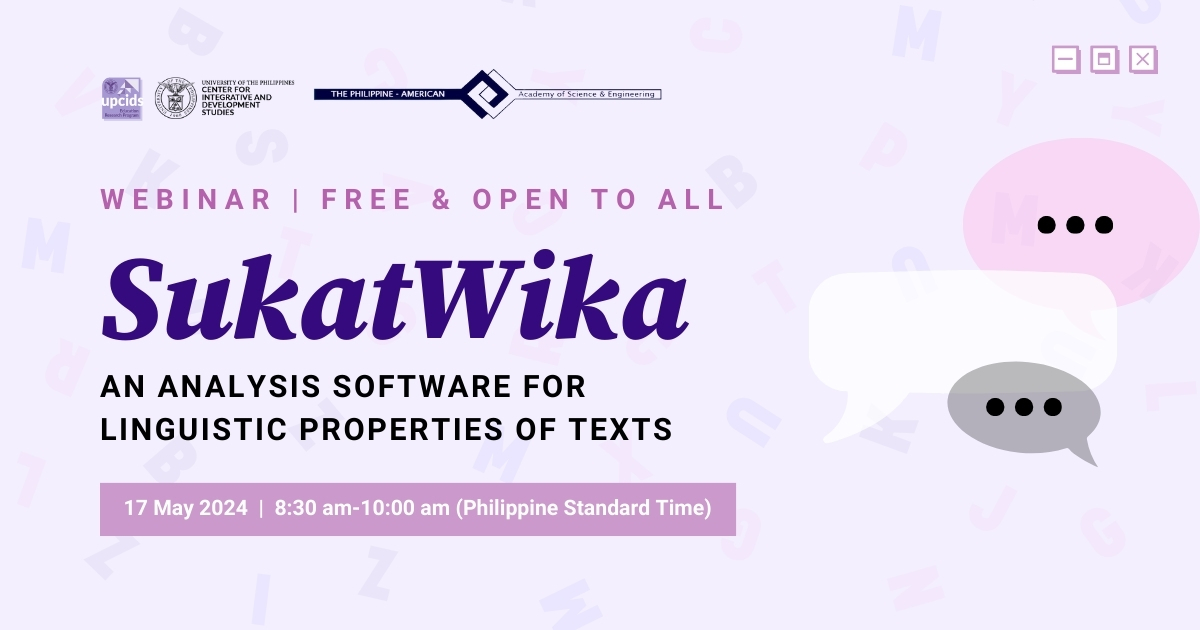
    Over the last few years, the ERP has been developing tools and interventions for supporting literacy learning for Filipino children.   These included the development of SukatWika 1.0 and 2.0,  TuklasBasa (Solo and Pang-Grupo) materials, training designs and the Multiliteracy Assessments for Filipino Children (MLAF). 

    The aim of ERP is to document the efficacy of TuklasBasa, SukatWika and MLAF  tools, training and materials  in the different contexts of their  use. 

    Sipat Edukasyon

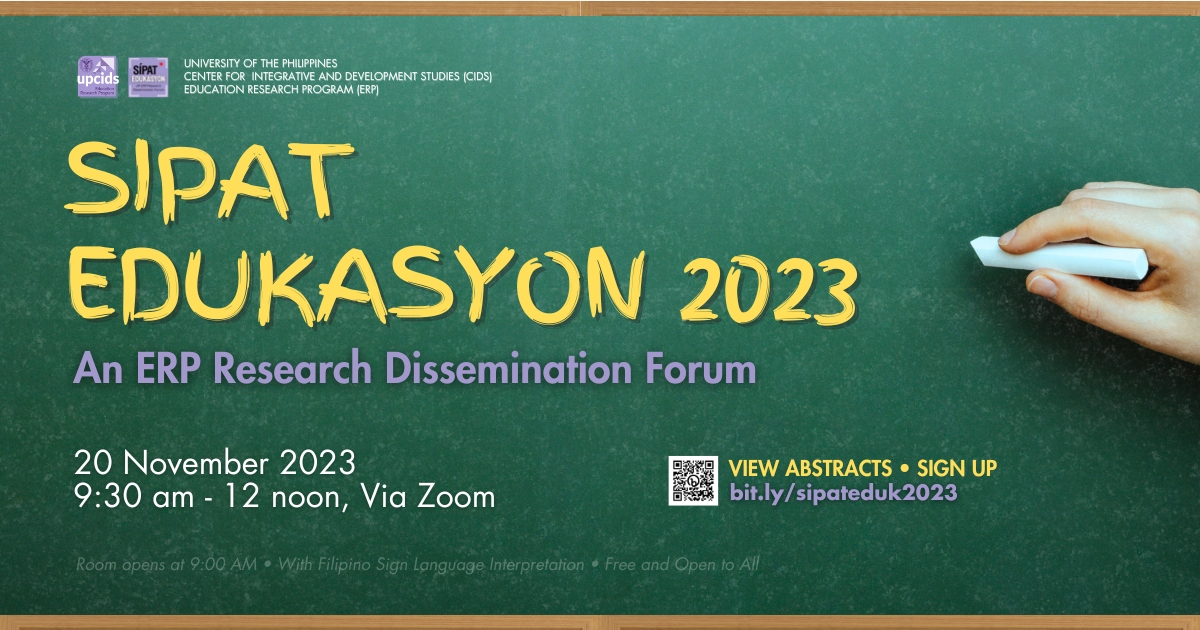
    Sipat Edukasyon is an annual research dissemination forum held every November and conducted online via Zoom and streamed on the UP CIDS Facebook account. As a key platform for shaping educational policies, leadership, and research, the forum promotes evidence-based decision-making by presenting important insights into emerging and ongoing educational challenges and solutions, adaptable to various thematic focuses each year.

    Others

    View the Term Reports from 2018 to 2022 for a list of ERP programs and activities, which include meetings, webinars, and/or publications (forthcoming or already published). 

    News


    The Team

    as of July 2026


    Dina S. Ocampo, PhD

    Co-Convenor

    Professor, College of Education
    University of the Philippines Diliman

    Lorina Calingasan, PhD

    Co-Convenor
    Associate Professor, College of Education
    University of the Philippines Diliman

    Kathrina Lorraine M. Lucasan

    Research Fellow

    Assistant Professor, College of Education
    University of the Philippines Diliman

    Junette Fatima D. Gonzales

    Senior Project Officer

    Education Research Program

    Kaye Danielle Sandigan

    Junior Research Assistant

    Education Research Program