Bridging the Gap: Stakeholder Perspectives on AI in Philippine Healthcare
Lisa Traboco, MD
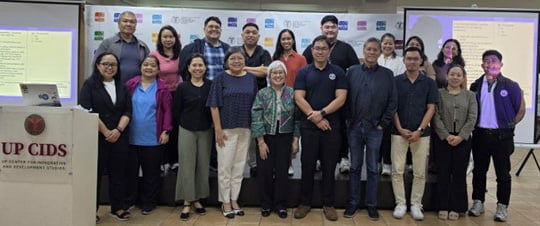
On July 10, healthcare leaders, policymakers and public health experts gathered at the University of the Philippines (UP), Center for Integrative and Development Studies (CIDS) at the Bahay ng Alumni in Diliman. They came together for a crucial stakeholder consultation for an upcoming project initiative focused on understanding the Attitudes, Knowledge, Acceptance and Perceptions of Filipino Healthcare Professionals regarding Artificial Intelligence (AI) integration in their practice. The room represented a vital cross section of the nation’s health and academic sectors, including Department of Health Undersecretary Dr Albert Domingo, as well as representatives from the Philippines Children’s Medical Center, Batangas Medical Center, St Luke’s Medical Center – Health Equity Research Foundation, Philippine Society of Public Health Physicians, UP Manila Medical Informatics Unit, UP Los Baños, UP Diliman Sociology, UP CIDS Program on Data Science for Public Policy (DSPPP).
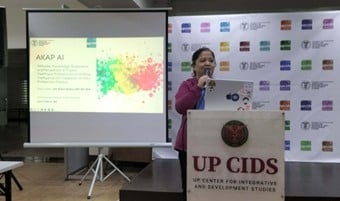
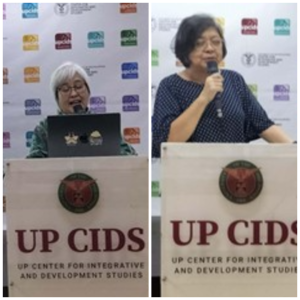
The forum kicked off with opening remarks from Dr Leonila Dans who discussed the impact of transformative and disruptive technologies in healthcare systems, particularly focusing on the introduction of telehealth and AI. She emphasized the need to gather perspectives and experiences from stakeholders regarding current challenges and barriers during this transformation. Participants then introduced themselves and their interest in AI in the Philippines. Afterwards, Dr Iris Thiele Isip-Tan took the stage to present the AI-Governance Framework which was designed to address specific challenges in healthcare AI implementation in low- and middle-income countries, particularly the Philippines. It was highlighted that current AI frameworks were designed for high-income countries and do not account for contextual challenges like archipelagic infrastructure limitations, regulatory uncertainty, and limited workforce capacity. The framework was developed through literature review of several AI healthcare frameworks and includes cross-cutting governance mechanisms across the AI lifecycle phases of design, development, validation, deployment, and monitoring, with an empirical case study. Following the discussion on governance models, yours truly, Dr Lisa Traboco, introduced the methodology for the proposed research. The research will be a dual approach study on AI in healthcare, combining quantitative and qualitative methods. The quantitative arm will involve an online survey targeting 106 healthcare workers, including physicians, nurses, midwives, medics, dentists, and paramedics, to assess their familiarity with and experience using AI tools. The qualitative arm will include key leaders and decision-makers, with plans for three focus group discussions and 18 individual interviews to gather more detailed insights on AI implementation in healthcare. Without taking the time to understand the workforce’s baseline readiness before large-scale AI implementation proceeds, healthcare institutions risk workflow disruptions, poor adoption rates, and potential harm to the quality of patient care. She explained that AI raises critical questions for workers regarding job security, clinical autonomy, patient safety, and professional identity and the AKAP survey is specifically designed to measure these concerns.
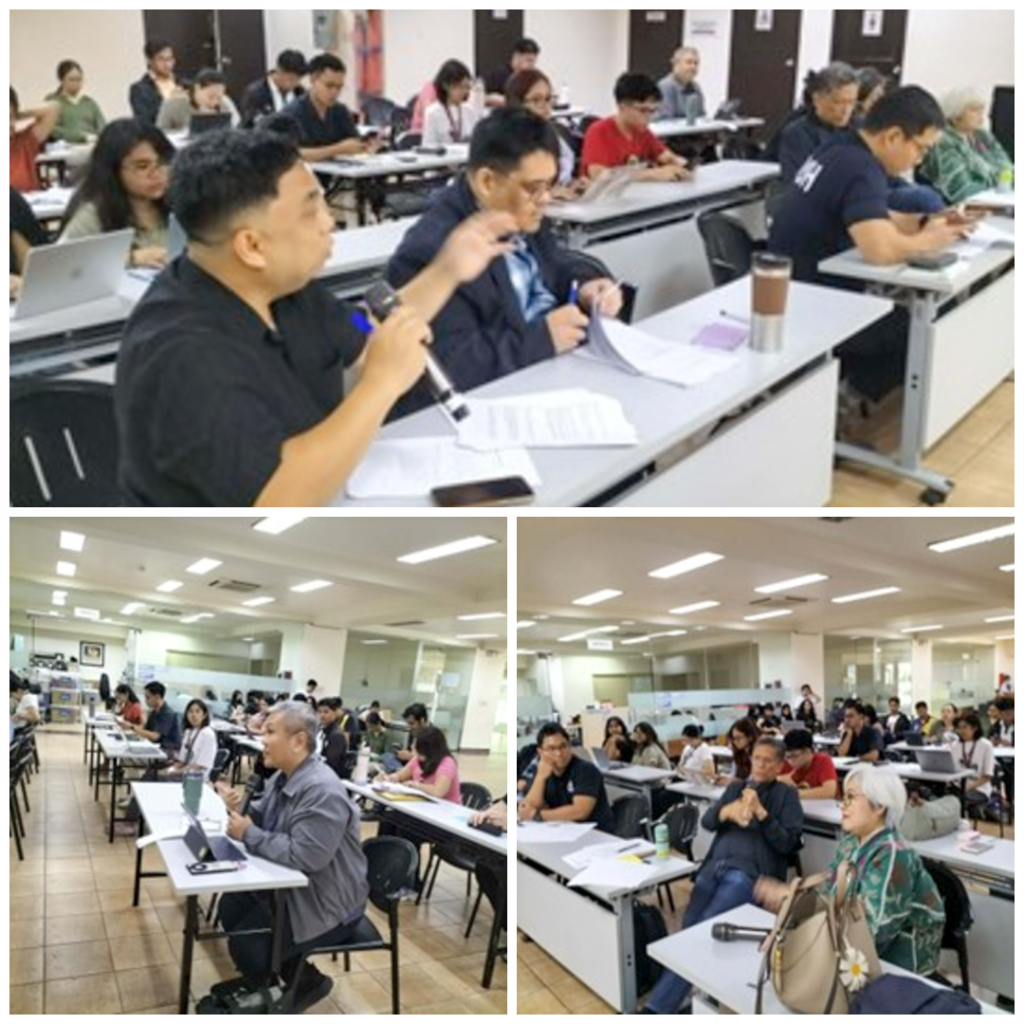
The event culminated in an open Q&A and feedback session with the DOH and other public health attendees. Gathering this direct input is a cornerstone of the project’s qualitative strand, which actively targets key stakeholders to capture vital decision-maker insights. The audience provided ground-level feedback that will help ensure the study generates truly actionable policy recommendations, training programs, and change management strategies. The collaborative energy in the room at Bahay ng Alumni reinforced a shared goal: for AI to successfully enhance patient care in the Philippines, the voices and workflow realities of local healthcare professionals must lead the way. Please anticipate the AKAP AI study in the upcoming months, for further information or inquiries regarding participation, contact us directly for more details.
Photos from the Activity: