Footpaths and Findings: The Communities Within UP Cebu Property
As UP Cebu marks its 10th anniversary as the 8th Constituent University of the UP System on October 27, 2026, it is also worth looking beyond the university’s institutional history and into the communities that have developed alongside it. Across the University of the Philippines, informal settlements exist on and beside university land. For the communities, these spaces are home—places where generations of people have lived, worked, raised families, and built their lives. For the university, however, they also raise questions of land use, planning, management, and public responsibility.
To understand the making of UP Cebu is also to recognize these communities: how they came to be, how they sustain themselves, and how their futures are connected to the future of the land they call home.
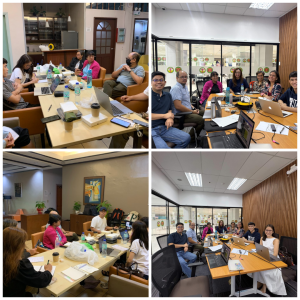
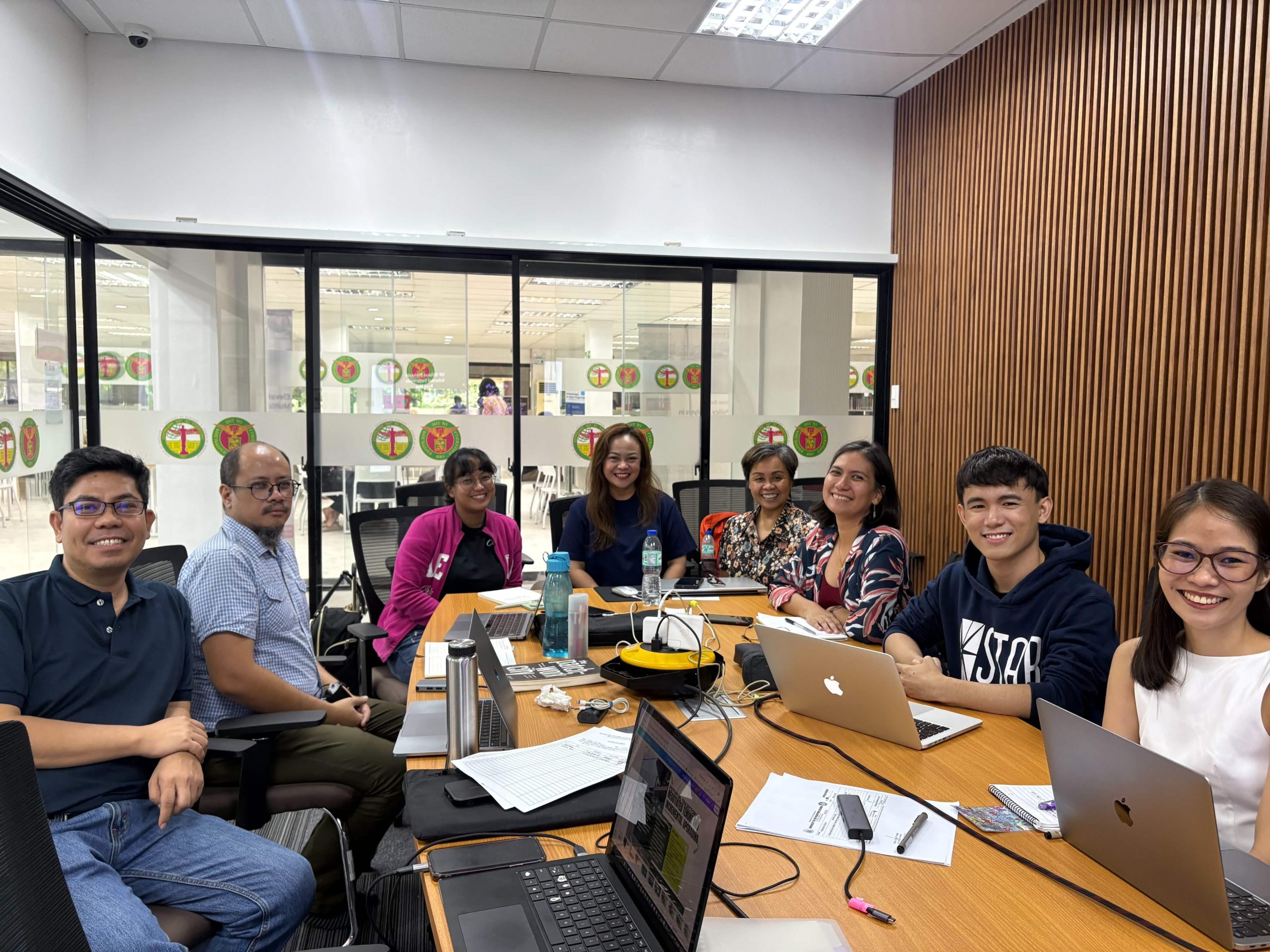
On October 8-9, 2026, research teams from UP Diliman, UP Iloilo, and UP Cebu under the UP CIDS-Informal Settlement Project met at the Conference Room of the UP Cebu Library for the Comparative Research Workshop on Spatiality, Governance, and Co-production in Informal Settlements. The workshop is part of the study “Frictions, Fixes, and Futures: Articulating the Spatiality, Governance, and Potential Trajectories of Informal Settlements in Three UP Campuses.” On the first day, the teams shared preliminary findings on each theme and looked for patterns across the three campuses. On the morning of the second day, they took those questions to the ground.
Communities Within the University
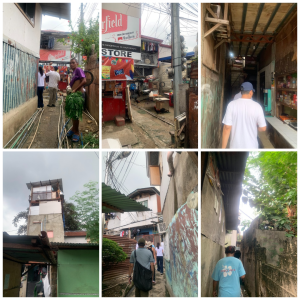
Accompanied by Sitio Avocado Lahug People’s Organization Inc. (SALPOI) President Jun Galfan and Kamputhaw Barangay Councilor Arnold Bejec, the UP CIDS-Informal Settlement Project team walked through Sitio Avocado and Sitio San Jose in Barangay Lahug, as well as Purok 3 in Barangay Kamputhaw.
The site visit offered a glimpse of communities shaped over generations. Before the homes and establishments that now line the narrow eskinitas, the area was once an expanse of avocado trees, sagingan (banana groves), and wildlife. As families settled in the area, the landscape gradually changed. Homes were built, livelihoods emerged, and relationships developed across generations.
These histories remind us that communities are not formed overnight. As families settled in the area and their households grew over time, the settlements gradually developed, homes expanded vertically to accommodate growing households within limited space. What was once an expanse of avocado trees, sagingan (banana groves), and wildlife has become a
densely built environment shaped by years of settlement. The houses standing close together today tells us not only the gradual transformation of the community but also the continued efforts of residents to make room for their families in a space they have long called home.
Sustained by People
Rows of carinderias, sari-sari stores, piso Wi-Fi stations, water-vending services, and rooms for rent line parts of the settlement. These are more than features of the built environment. They are sources of income for residents and places where students and other members of the university community meet their everyday needs.
A student looking for an affordable meal, a room near campus, or an inexpensive internet connection may find these services just a few steps away. For the resident running a small eatery, renting out a room, or selling goods in small quantities, the same transactions help sustain a household. The prevalence of piso Wi-Fi, in particular, features a tingi economy in which goods and services are made available in small, affordable amounts.
The relationship between the university and the surrounding communities then extends beyond their shared physical space. As the research teams discussed during the workshop, residents in informal settlements across UP Diliman, UP Iloilo, and UP Cebu provide services and rental accommodations that support student life, while students contribute to community livelihoods through their demand for these goods and services. The campus and the community are connected through everyday exchanges that make each part of the relationship significant to one another.
Community life also extends beyond work and commerce. Shared spaces such as basketball courts and chapels provide places for residents to gather, interact, and participate in community activities, particularly during fiestas. These spaces help sustain relationships and a sense of belonging that cannot be fully understood by looking at the settlement as a matter of land use alone.
Yet, while these everyday connections reveal how communities and universities coexist, they also raise questions about how residents can participate in decisions that affect the places where they have built their lives.
Taking Collective Action
A community’s future depends not only on the livelihoods and relationships that sustain it, but also on its capacity to organize, communicate shared concerns, and engage with institutions.
Within UP Cebu communities, Sitio Avocado has maintained an active homeowners’ association for ten years through SALPOI. Sitio San Jose is working toward organizing its own association, while Purok 3 in Kamputhaw has recently revived its HOA and is currently active. These organizations provide channels through which residents can raise concerns and communicate with UP Cebu, including on matters concerning campus redevelopment.
Community organizations help residents express shared concerns and engage with university officials, but their ability to represent residents depends partly on how well they are organized. Where organizing is still developing, collective participation in decisions about the community’s future may be more difficult.
The workshop also highlighted women’s roles in collective action. Alongside their household responsibilities, women help organize community activities, communicate residents’ concerns, and represent their families. Recognizing their contributions is essential to understanding whose voices sustain community life and whose participation must be supported in decisions about its future.
Beyond Land Management
The transect walk brought questions of spatiality, governance, and co-production into view. The narrow footpaths, small businesses, shared spaces, and community organizations encountered along the way illustrated how university land is also a place where people have established homes, livelihoods, and relationships over time.
During the workshop, Project Leader Redento B. Recio, PhD, highlighted the need to understand UP’s relationship with informal settlements through a hybrid regime. As a public university, UP exercises institutional authority over its property while also carrying a social responsibility to serve the people. These responsibilities intersect in communities that have developed on university land, where decisions about property and redevelopment have consequences for residents’ homes, livelihoods, and futures.
The institutional arrangements through which these concerns are addressed also differ across campuses. At UP Diliman, campus security personnel, or blueguards, form part of the institutional context surrounding informal settlements. At UP Visayas–Iloilo, the Office of the Vice Chancellor for Planning and Development participates in discussions concerning university land. At UP Cebu, the Redevelopment Committee is among the structures involved in addressing these concerns. Comparing these arrangements allows the research teams to examine how institutional structures shape the relationship between universities and the communities living on their land, including the possibilities for more inclusive responses.
These discussions return us to what the transect walk made visible: the land in question is not an empty space awaiting a plan. It is already part of people’s lives. Its paths connect homes to livelihoods; its establishments connect residents to students; and its community organizations provide ways for residents to engage with the institutions that govern the land.
As UP Cebu looks back on ten years as a constituent university, recognizing these communities is part of understanding the campus itself. Their histories, livelihoods, relationships, and collective efforts have helped shape the place alongside the university’s own institutional development.
Through its comparative study of UP Diliman, UP Iloilo, and UP Cebu, the UP CIDS-Informal Settlement Project seeks to understand these relationships and identify pathways toward more inclusive approaches to university land. The transect walk offered an opportunity to see how these questions take shape on the ground. Understanding the future of UP Cebu also means understanding the people whose lives are intertwined with the land and ensuring that their realities are part of the conversations that shape what the campus becomes.